
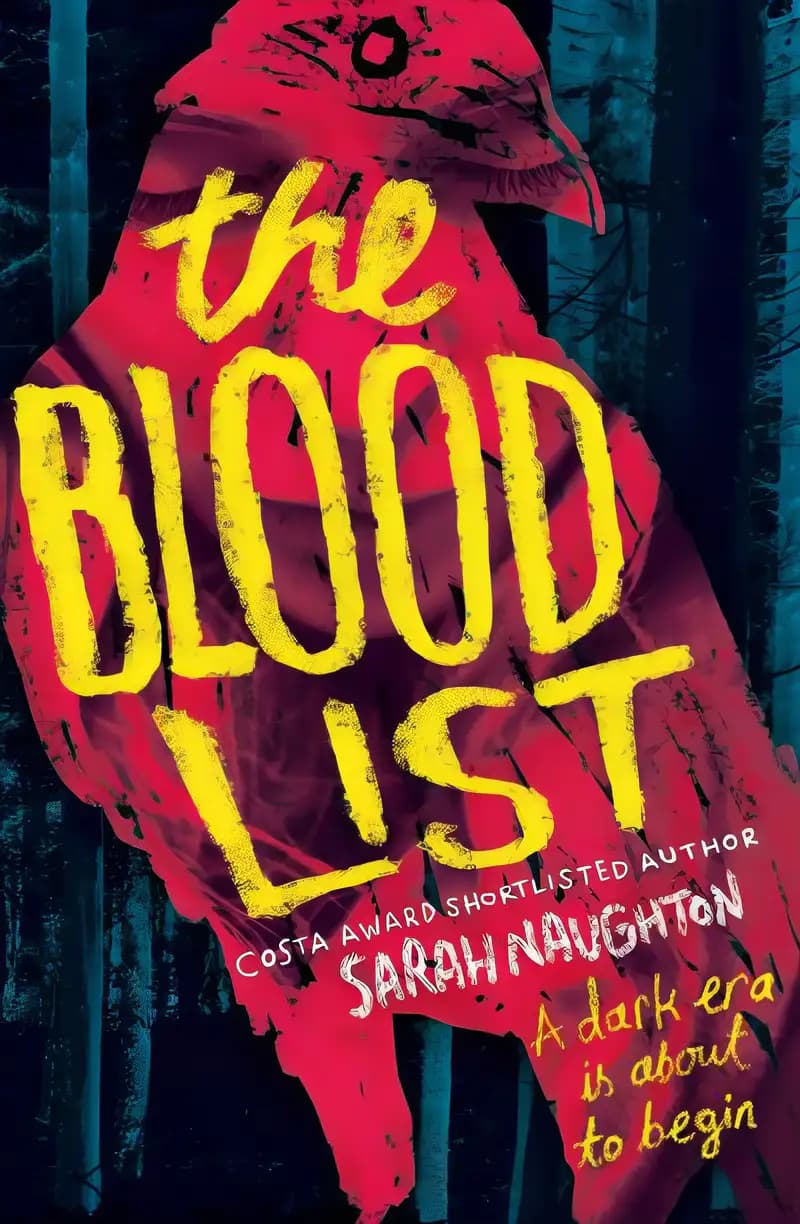
The Blood List
on Goodreads (41)
What’s inside...
The year is 1646, tales of witches, murder and changelings are rife and a dark era is about to begin… Barnaby Nightingale is seen as the perfect son by his father, but his mother, Frances, desires a different son. She believes her real son was taken as a baby by villagers who thought him to be a changeling, leaving Barnaby in his place. Disappointing his mother and spoiled by his father, Barnaby becomes entangled with the beautiful Naomi, who is accused of being a witch. As fear and suspicion take over the village, Barnaby finds himself on trial for witchcraft, facing the threat of death.
Age
11-12
Length
304 pages
Text complexity
Character compass
Barnaby
Gideon
Discussion points
How did the characters' actions and choices shape the story?
What feelings did you experience while reading about the events in 'The Blood List'?
What lessons can we learn about trust and family from the characters?
If you were in the protagonist's situation, how would you handle the challenges?
How do you think the setting of the story influenced the plot?
Tip: Role play these questions
Encourage your child to express their thoughts and emotions about the story, validating their feelings and perspectives.
Discuss the moral decisions made by characters in the book and ask your child what they would have done differently.
Connect themes from the book to real-life situations to help your child relate and understand the implications better.
Use the historical setting of the book to explore a mini history lesson, enhancing the educational value of the discussion.
Prompt your child to predict future scenarios or alternate endings to develop their analytical and creative thinking.
Key lessons
Example Lesson: The importance of resilience
Explanation: In 'The Blood List', the main character faces numerous challenges and hostile situations, yet she remains determined and perseveres through adversities.
Real-World Application: Children can learn to face their own challenges, whether in school or social settings, with determination and not give up easily.
Example Lesson: Understanding the consequences of actions
Explanation: Throughout the book, characters make choices that lead to various consequences, showing how every action can lead to significant outcomes.
Real-World Application: This can teach children to think about the results of their actions and encourage them to make thoughtful decisions.
Example Lesson: The value of honesty
Explanation: Being honest is a recurrent theme where characters who embrace truth often find better resolutions to their problems.
Real-World Application: Children can learn that honesty improves relationships and builds trust in real life.
Example Lesson: Compassion towards others
Explanation: Characters in the story who show empathy and compassion tend to foster stronger alliances and friendships.
Real-World Application: This highlights the importance of being considerate and kind, encouraging children to support and understand their peers.
Example Lesson: Courage in facing fears
Explanation: Key moments in the book involve characters confronting their fears, teaching that bravery is not the absence of fear but facing it head-on.
Real-World Application: Children can learn to confront their own fears and understand that it's okay to be afraid while encouraging them to be brave.