
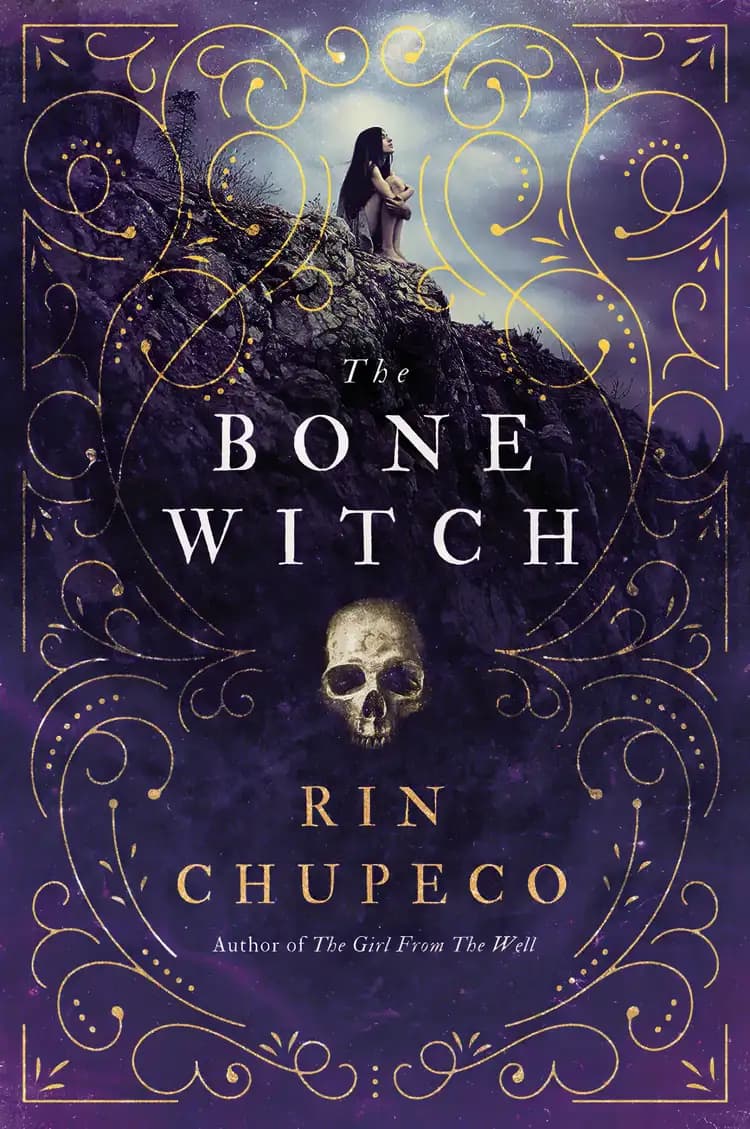
The Bone Witch
#1 of 3 in The Bone Witch Series
on Goodreads (47,603)
What’s inside...
A story of scorned witches, sinister curses, and resurrection, The Bone Witch is the start of a dark fantasy trilogy. When Tea accidentally resurrects her brother, Fox, from the dead, she learns she is different from the other witches in her family. Her gift for necromancy means that she’s a bone witch, a title that makes her feared and ostracized by her community. But Tea finds solace and guidance with an older, wiser bone witch, who takes Tea and her brother to another land for training. In her new home, Tea puts all her energy into becoming an asha—one who can wield elemental magic. But dark forces are approaching quickly, and in the face of danger, Tea will have to overcome her obstacles…and make a powerful choice. The Bone Witch Trilogy includes The Bone Witch (Book 1), The Heart Forger (Book 2), and The Shadowglass (Book 3).
Character compass
Tea
The Bard
Prince Kance
Kalen
Fox
Mykaela
Aenah
Discussion points
How do you think Tea felt when she discovered her magical powers? Have you ever discovered something surprising about yourself?
Why is it important for Tea to control her powers? Can you think of a time when you had to control something about yourself?
Tea faces many challenges throughout the story. What are some ways she overcomes these obstacles? How do you handle challenges in your life?
The theme of light versus dark magic is central in the book. What do you think these represent? How do you see the concept of good and bad in real life?
Tea forms relationships with many characters in the story. How do these relationships affect her journey? Why are relationships important in our lives?
Tip: Role play these questions
Encourage your child to express their thoughts and feelings about the book, mirroring their sentiments with affirmations or related personal experiences.
Connect the themes of the book to real-life situations your child might encounter, such as handling newfound responsibilities or dealing with difficult choices.
Discuss the moral dilemmas presented in the book and ask your child what they would have done in Tea’s place, fostering a deeper understanding of ethical decision-making.
Highlight the growth of characters throughout the story, prompting your child to reflect on how they have grown or want to grow in the future.
Use the magical elements of the story to ignite your child's imagination, asking them to come up with their own magical story or character.
Key lessons
Example Lesson: Resilience through challenges
Explanation: The protagonist, Tea, faces numerous trials as she learns to harness her necromancy powers, demonstrating resilience in the face of adversity.
Real-World Application: Children can learn to persevere through their own difficulties, whether in school or during social interactions.
Example Lesson: Understanding and accepting differences
Explanation: Tea's unique abilities set her apart, but she learns to embrace her differences and use them to her advantage.
Real-World Application: This can help children appreciate the differences in others and themselves, promoting self-acceptance and empathy.
Example Lesson: The value of mentorship
Explanation: Tea's relationship with her mentor highlights the importance of guidance and learning from others' experiences.
Real-World Application: Children can be encouraged to seek guidance from teachers, relatives, or friends to aid their personal and academic growth.
Example Lesson: Consequences of choices
Explanation: Throughout the story, Tea makes decisions that have significant impacts, teaching readers about accountability.
Real-World Application: This lesson can help children think more critically about the consequences of their actions in their own lives.
Example Lesson: Coping with loss
Explanation: Tea deals with personal loss, which is explored sensitively, showing readers healthy ways to cope.
Real-World Application: Children can learn strategies to deal with loss and grief, helping them manage these emotions in real-life situations.