
The Danish Fairy Book
on Goodreads (8)
What’s inside...
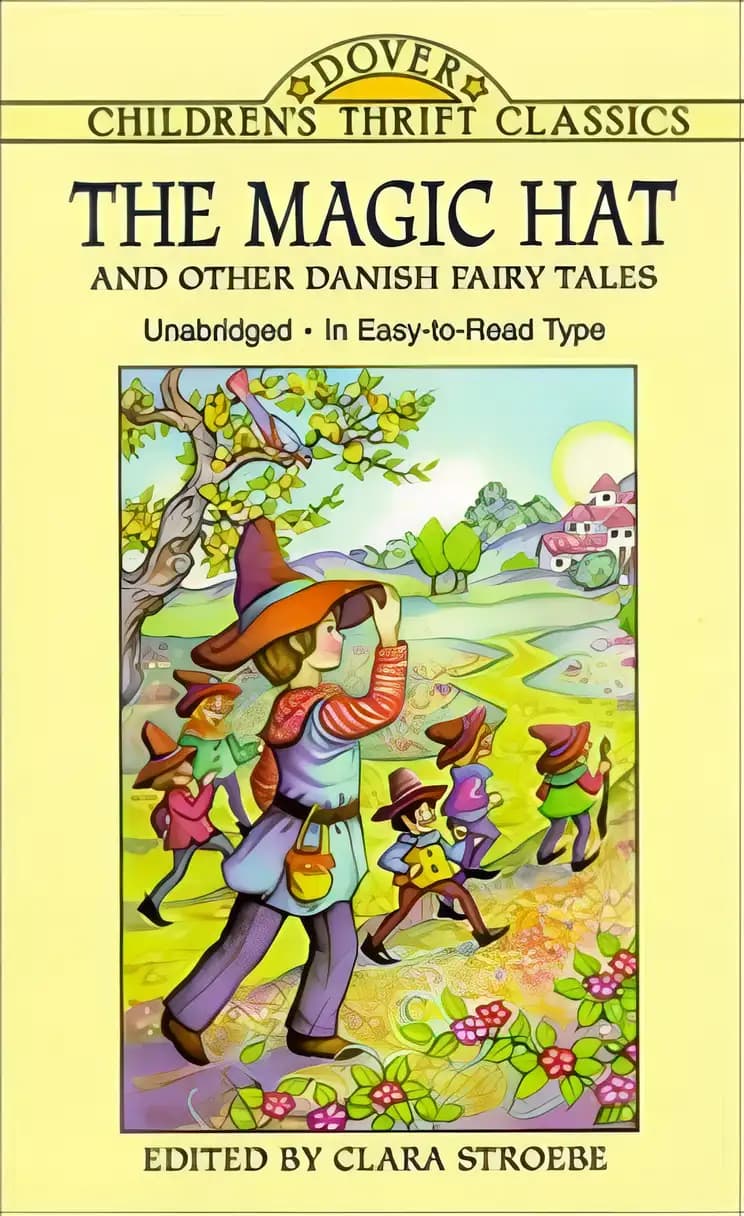
The Danish Fairy Book is a collection of traditional fairy tales from Denmark, recounted by the common folk such as fishermen, peasants, and shepherds. These stories, passed down through generations, reflect the primitive people's desire for color and radiance in everyday life. The tales vary from heroic acts of self-sacrifice and persistence to encounters with Trolls and ghost stories with happy endings. This book also includes stories like 'The Little Wild Duck,' 'Peter Redhat,' and 'The Little Girl and the Serpent,' with six black-and-white illustrations. Published by Forgotten Books, the book uses advanced technology to preserve and repair the original work while maintaining its historical authenticity.
Age
8-14
Length
64 pages
Text complexity
Discussion points
What would you do if you were a character in one of these fairy tales?
Which story was your favorite and why?
How do you think the characters felt during their adventures?
What lessons can we learn from the stories in this book?
If you could change one thing in any of the stories, what would it be and why?
Tip: Role play these questions
As you read with your child, emphasize the emotions in the story and ask how they might feel in similar situations.
Relate the fairy tales to real-life situations or decisions to help your child connect with the stories.
Encourage your child to imagine alternate endings or additional adventures for their favorite characters.
Discuss the moral or lesson of each story and how it can be applied in everyday life, ensuring a deeper understanding and connection.
Key lessons
Example Lesson: The importance of kindness and empathy
Explanation: Various tales in 'The Danish Fairy Book' showcase characters who are rewarded for their kindness and empathy towards others, regardless of their social standing or species.
Real-World Application: Children learn the value of treating everyone with compassion, a trait that fosters better relationships and a supportive community environment.
Example Lesson: The consequences of greed
Explanation: Some stories illustrate the negative outcomes that befall characters who act out of greed rather than considering the well-being of others.
Real-World Application: This serves as a cautionary lesson for children about the importance of sharing and generosity, versus the isolating effects of selfish behavior.
Example Lesson: Bravery in the face of adversity
Explanation: Heroes in the stories often overcome great obstacles through courage and determination, demonstrating that bravery can lead to positive outcomes.
Real-World Application: Children can apply this by learning to face their own challenges with courage, understanding that it's okay to be scared but still important to try.
Example Lesson: The power of cleverness and wit
Explanation: Several tales highlight how characters use their intellect and cleverness to solve problems or escape dangerous situations.
Real-World Application: This encourages critical thinking and problem-solving skills in children, which are useful in academic settings and personal life.