
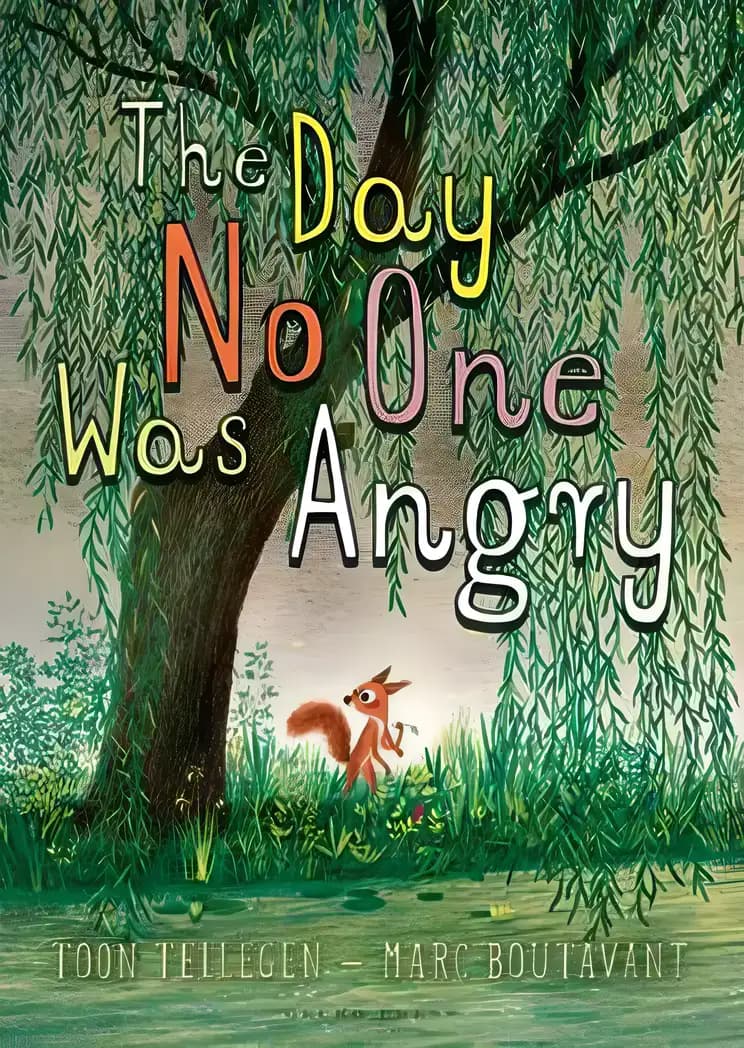
The Day No One was Angry
What’s inside...
The book consists of 12 interconnected stories featuring a cast of animal characters who each deal with their own feelings of anger and resentment. Throughout the stories, these characters learn about forgiveness, understanding, and the absurdity of constant anger, leading to the day when no one felt angry at all. In 12 short chapters, we see different animals in various states of anger. Some try to understand their anger, some try to tame it, while others let their anger overwhelm them. These stories are funny and wry, but also offer a gently profound reflection of the nature of human emotions. Marc Boutavant's delicate, stunning full colour illustrations put the reader in the heart of the forest, surrounded by endearingly grumpy animals.
Age
2-6
Length
80 pages
Text complexity
Discussion points
How do you think the characters felt when they were angry? Can you describe a time you felt the same?
What are some ways the animals in the story handled their anger? Which way do you think is the best?
Why is it important to talk about or express our feelings when we are angry?
How did the characters' relationships change after they expressed their anger?
Can you think of a way to help a friend who is feeling angry?
Tip: Role play these questions
Use a calm and open tone to encourage honest expressions of emotion, mirroring the characters' eventual openness in the book.
Relate instances from the book to real-life situations your child might encounter, helping them connect the story to their own experiences.
Ask follow-up questions based on your child’s responses to deepen understanding and enhance empathy.
Highlight the resolution of conflicts in the book and discuss the importance of resolving personal conflicts in a similar way.
Key lessons
Example Lesson: Understanding emotions
Explanation: The book is a collection of twelve interconnected stories showcasing different characters experiencing anger and its resolutions. Through these narratives, children learn about various emotions and how anger manifests.
Real-World Application: Children can apply this understanding by recognizing their feelings and emotions, helping them to develop emotional intelligence and handle conflicts in daily interactions more effectively.
Example Lesson: The importance of communication
Explanation: In the book, characters often resolve their anger through dialogue and expressing themselves. This highlights how communication can help in understanding different perspectives and resolving disagreements.
Real-World Application: Kids can learn to express their own emotions clearly and listen to others, aiding in the development of healthy communication skills both in school and at home.
Example Lesson: Empathy and understanding
Explanation: As different animals express why they are angry, others listen and often change their behavior based on that understanding. The stories promote empathy by showing the value of seeing things from another's perspective.
Real-World Application: This lesson teaches children to consider how others might feel before acting, which can lead to more thoughtful interactions with friends and family.
Example Lesson: Resilience in facing negative emotions
Explanation: The characters in the book experience anger but also explore ways to overcome it. This teaches children that it's normal to feel negative emotions and that they can find constructive ways to cope.
Real-World Application: Children can remember these stories when they feel angry or upset and remember that these emotions are temporary and manageable.