
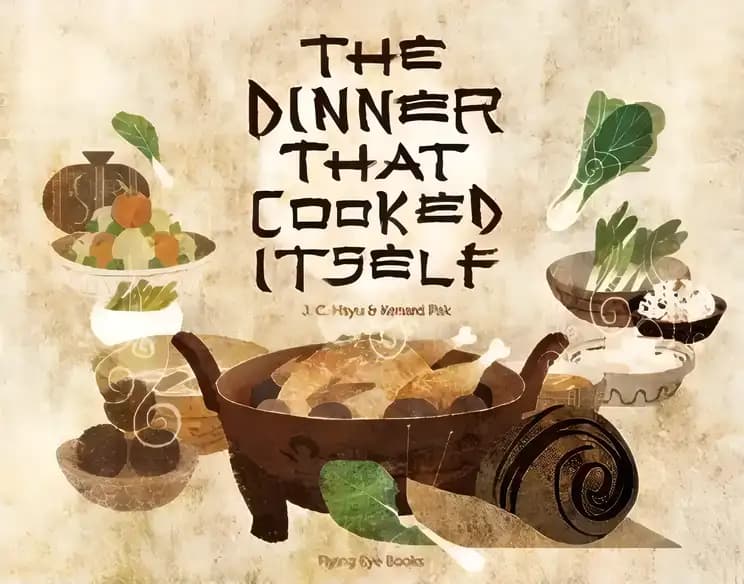
The Dinner that Cooked Itself
What’s inside...
Long, long ago, in a small town in ancient China, there lived an honest and respectful man called Tuan. Tuan was lonely and looked hard for a wife, but even the matchmaker couldn't help him. One night, however, Tuan's luck changed. And so begins the story of Tuan, White Wave, and the Dinner that Cooked Itself. This beautiful and enchanting Chinese fairytale will captivate the imagination with the perfect blend of magic and realism!
Age
3-7
Length
32 pages
Text complexity
Discussion points
What do you think made the dinner cook itself in the story?
How do you feel about Tuan and his journey in the story?
Why do you think the author chose to make the natural elements like wind and snow characters in the book?
If you could create a magical dinner, what would it include and why?
How do the illustrations add to the story for you? What feelings do they evoke?
Tip: Role play these questions
Encourage your child to imagine themselves in Tuan’s situation and ask how they would have reacted in similar circumstances.
Discuss the significance of kindness and patience as shown in the story, asking your child how they practice these traits in their own life.
Explore the cultural aspects presented in the book, perhaps even looking up more information together about ancient Chinese folklore and traditions.
Use the magical and natural elements of the story to spark a conversation about the importance of nature and our environment.
After reading, consider cooking a simple meal together inspired by the book to deepen the connection with the story.
Key lessons
Example Lesson: The importance of gratitude
Explanation: In the tale, when the main character shows appreciation for what they have, magical and positive events unfold, highlighting the power of gratitude.
Real-World Application: Children can learn to say 'thank you' and show appreciation for meals provided, friends' kindness, and family support, fostering a positive attitude and encouraging good relationships.
Example Lesson: Patience
Explanation: The story emphasizes the virtue of patience through the slow and magical process of meals cooking themselves, teaching that good things come to those who wait.
Real-World Application: Kids can practice patience by waiting their turn, understanding that some processes like growing a plant or learning a skill take time.
Example Lesson: Caring for the environment
Explanation: The self-cooking dinner indirectly teaches respect for nature and the environment, as the ingredients are treated with care and reverence.
Real-World Application: Children can learn to not waste food, to recycle, and to appreciate the natural resources that contribute to their daily meals.
Example Lesson: The value of hard work
Explanation: The protagonist's dedication to their daily duties, despite the magical assistance, teaches that hard work is important and rewarding.
Real-World Application: This can translate to children understanding the importance of doing their homework, chores, and other responsibilities diligently.
Example Lesson: Inclusivity and kindness
Explanation: The communal aspect of meals in the story showcases the benefits of inclusivity and sharing, promoting a sense of community.
Real-World Application: Children can be encouraged to share with others, include peers in activities, and understand the strength in community and teamwork.