
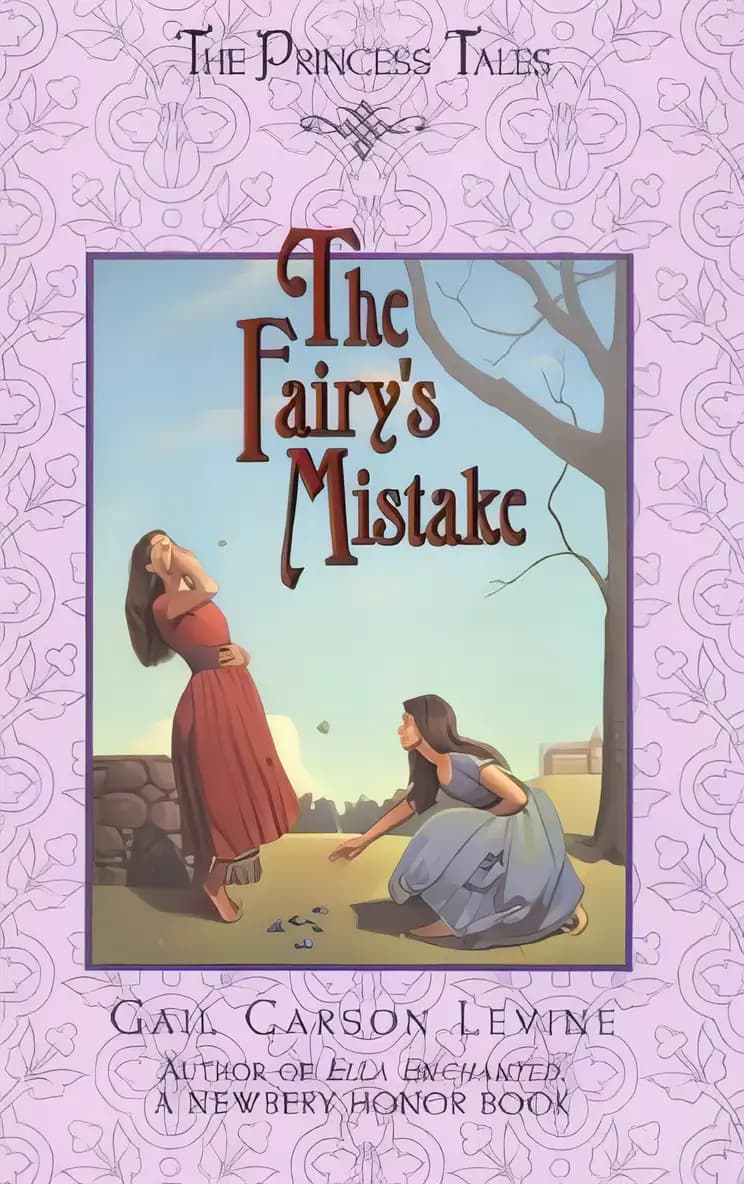
The Fairy's Mistake: The Princess Tales
#1 of 6 in The Princess Tales Series
What’s inside...
Two very different sisters, Rosella and Myrtle, have encounters with the fairy Ethelinda. Rosella is kind and helpful, and as a reward, jewels and gems tumble out of her mouth whenever she speaks. Myrtle, on the other hand, is rude and spiteful, and her punishment is that bugs and vipers slither out of her mouth. Initially, Ethelinda believes she has administered justice appropriately. However, she later discovers that Rosella has been imprisoned by a greedy prince, and Myrtle is enjoying herself despite her punishment.
Character compass
Rosella
Fairy Ethelinda
Prince Harold
Myrtle
Discussion points
How do you think Rosella felt when jewels and flowers fell from her mouth? How would you feel in her situation?
Why do you think the fairy gave such unusual gifts to the twins? What lesson was she trying to teach them?
What are some good things and bad things about Myrtle's gift of producing snakes and toads? How did it change the way people treated her?
If you were the fairy, what kind of magical gift would you have given to the sisters, and why?
How do you think the story would change if the roles of Rosella and Myrtle were reversed? Who do you think handled their gift better?
Tip: Role play these questions
Encourage your child to think about the consequences of each sister’s gift, fostering a discussion about cause and effect.
Relate the fairy's actions and their outcomes to real-life situations involving rewards and consequences to help children grasp the moral of the story.
Ask your child to imagine and express what kind of magical gift they might want, discussing both the potential benefits and drawbacks.
Utilize contrasting personalities and gifts of Rosella and Myrtle to discuss with your child the uniqueness of individuals and the concept of fairness.
Key lessons
Example Lesson: The importance of kindness
Explanation: In the story, kindness is portrayed through the character of Rosella, who shares her newfound wealth generously. Her actions contrast with those of her sister, Myrtle, who hoards her rewards, leading to negative consequences.
Real-World Application: Children can learn to share and be considerate in their interactions with peers and family, understanding that kindness often leads to positive outcomes in relationships and personal well-being.
Example Lesson: The consequences of greed
Explanation: Myrtle's greed and selfishness result in her receiving snakes and toads as outputs for her actions, symbolizing the negative impact of her traits. This stark contrast with her sister's fortunes highlights the repercussions of greed.
Real-World Application: This lesson warns children about the dangers of being overly selfish and encourages them to think about the impact of their actions on themselves and others around them.
Example Lesson: The value of being true to oneself
Explanation: Rosella remains genuine and kind despite sudden wealth, which leads to a happier life. This underlines the story’s message that staying true to one’s values is more rewarding than changing oneself for material gains.
Real-World Application: Children are encouraged to stay genuine and uphold their values even in changing circumstances, fostering a strong sense of self and integrity.
Example Lesson: Understanding appearances vs. reality
Explanation: The fairy in the story disguises herself to test the true nature of the characters. This element teaches that appearances can be deceiving and the importance of looking beyond them to understand true intentions.
Real-World Application: This can help children develop critical thinking and not to judge others quickly based on appearances, promoting a more inclusive and understanding perspective.