
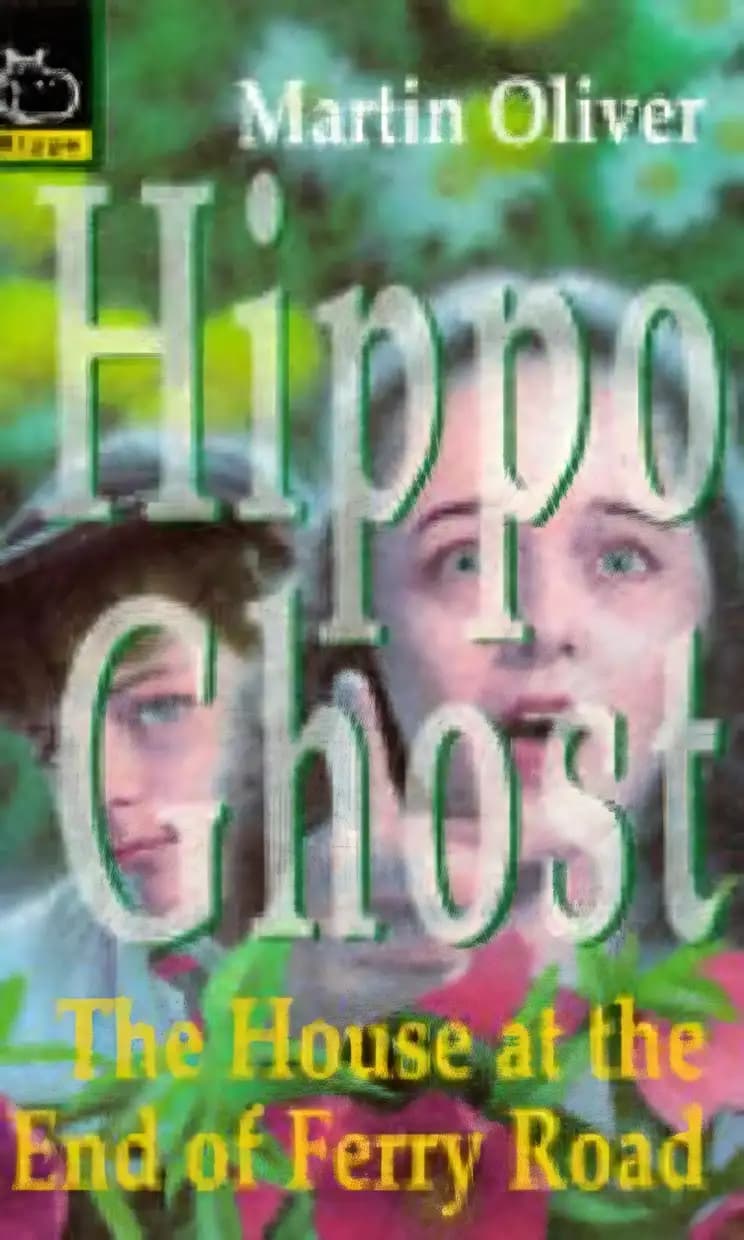
The House at the End of Ferry Road (Hippo Ghost)
Hippo Ghost Series
on Goodreads (6)
What’s inside...
The house at the end of Ferry Road has just been built so it can't be haunted - can it? But then Beth sees two ghostly children who warn her to stay away from the ruined glasshouse. Images and sounds of World War II are constantly in her mind. Is history about to repeat itself?
Series reading
Non-Sequential
Age
8-12
Length
192 pages
Text complexity
Discussion points
What do you think the Hippo Ghost might be feeling when it stays at the house at the end of Ferry Road?
How do the characters change throughout the story, and what causes those changes?
If you were a character in the book, how would you help the Hippo Ghost feel better?
What do you think is the importance of the house's location at the end of Ferry Road?
How do you think the story would be different if it were set somewhere else?
Tip: Role play these questions
Before reading each chapter, ask your child to predict what might happen next based on the story so far.
Discuss the emotions of different characters and relate them to personal experiences your child might have had.
Encourage your child to draw a picture of a scene they found particularly interesting or important.
Ask your child about how they might feel if they met the Hippo Ghost and how they would interact with it.
After finishing the book, engage your child in a creative activity like writing a short letter to one of the characters expressing their thoughts about the story.
Key lessons
Example Lesson: Courage and bravery
Explanation: In 'The House at the End of Ferry Road,' the main characters confront and overcome their fears of the unknown as they explore the mysterious house.
Real-World Application: Children learn the importance of facing fears and can apply this by tackling new challenges confidently, whether trying out for a sports team or speaking in front of the class.
Example Lesson: Friendship and teamwork
Explanation: Throughout the story, the characters work together to solve the mystery, teaching the value of cooperating and valuing each other's input.
Real-World Application: This lesson encourages children to collaborate with peers in group projects or team sports, understanding that combined efforts often lead to greater success.
Example Lesson: Curiosity and exploration
Explanation: The young protagonists show an eagerness to learn and discover new things about the spooky house, which underscores the benefits of curiosity.
Real-World Application: Children are motivated to explore the world around them, ask questions, and gain knowledge from their surroundings – useful in educational settings and personal growth.
Example Lesson: Problem-solving skills
Explanation: As the characters encounter various obstacles, they must think critically and creatively to advance their adventure.
Real-World Application: This empowers children to apply logical reasoning and innovative thinking in overcoming their own real-life obstacles and challenges.