
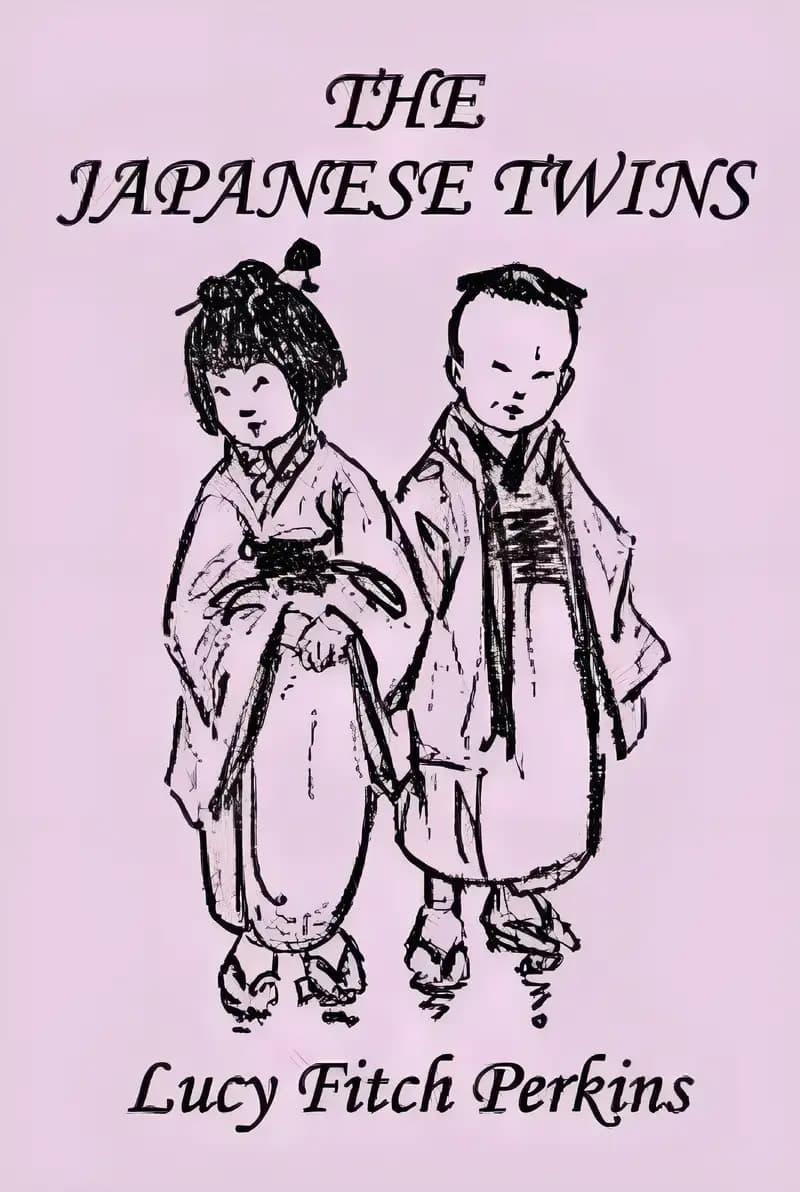
The Japanese Twins (Yesterday's Classics)
Twins Series
on Goodreads (89)
What’s inside...
Join Taro and Take, 5 year-old Japanese twins, as they experience various cultural events and everyday activities in Japan. From greeting a new baby brother and playing in their garden to riding in rickshaws to a temple for a blessing. They also engage in creative play on a rainy day and prepare for school. The story highlights their separate birthday celebrations, with Take and the girls celebrating with a Feast of Dolls, and Taro and the boys with a Feast of Flags.
Series reading
Non-Sequential
Age
4-12
Length
172 pages
Text complexity
Character compass
Taro
Take
Father
Mother
Discussion points
How do the experiences of Taro and Take differ from your own daily activities? What similarities can you find?
What did you learn about Japanese culture and traditions from Taro and Take’s story?
How did the twins help each other in the story? Can you think of a time when you helped a sibling or a friend?
Why do you think the author chose twins as the main characters? How would the story change if it were only about Taro or only about Take?
Tip: Role play these questions
Before reading, introduce your child to Japan's geography and some basic cultural practices to provide context to Taro and Take's world.
Encourage your child to draw parallels between their routines and the twins' routines, fostering a connection to the characters.
After reading, ask your child to reflect on how they might feel and act if they were in the twins' shoes in various situations from the book.
Prompt your child to think about the moral lessons or messages they can take away from the twins' adventures and discussions.
Key lessons
Example Lesson: Cultural awareness and appreciation
Explanation: The book provides insight into the daily life, traditions, and customs of Japanese culture through the experiences of the twin characters, Taro and Take.
Real-World Application: Children can learn to appreciate and respect cultural differences, promoting a more inclusive attitude towards people from various backgrounds in their own communities.
Example Lesson: Importance of family and cooperation
Explanation: Throughout the story, Taro and Take frequently collaborate and support each other's endeavors, demonstrating the strength of familial bonds.
Real-World Application: This lesson encourages children to value their family members and work together cooperatively in household tasks or group activities at school.
Example Lesson: Responsibility and personal growth
Explanation: The twins are given tasks suitable for their age, which they must manage responsibly, showing how children can contribute to family life and learn through experiences.
Real-World Application: Children are inspired to take on appropriate responsibilities at home or in school, aiding their development and self-confidence.
Example Lesson: Resilience and problem-solving
Explanation: When faced with challenges, Taro and Take find ways to overcome them, providing a model for effective problem-solving.
Real-World Application: This teaches children to approach challenges with resilience, looking for creative solutions and learning from setbacks.
Example Lesson: Respect for elders
Explanation: The story demonstrates the twins’ respect towards their elders, a central aspect of Japanese culture, which guides their actions and decisions.
Real-World Application: Children learn to show respect to older family members and adults, fostering harmonious relationships and gaining wisdom from experienced individuals.