
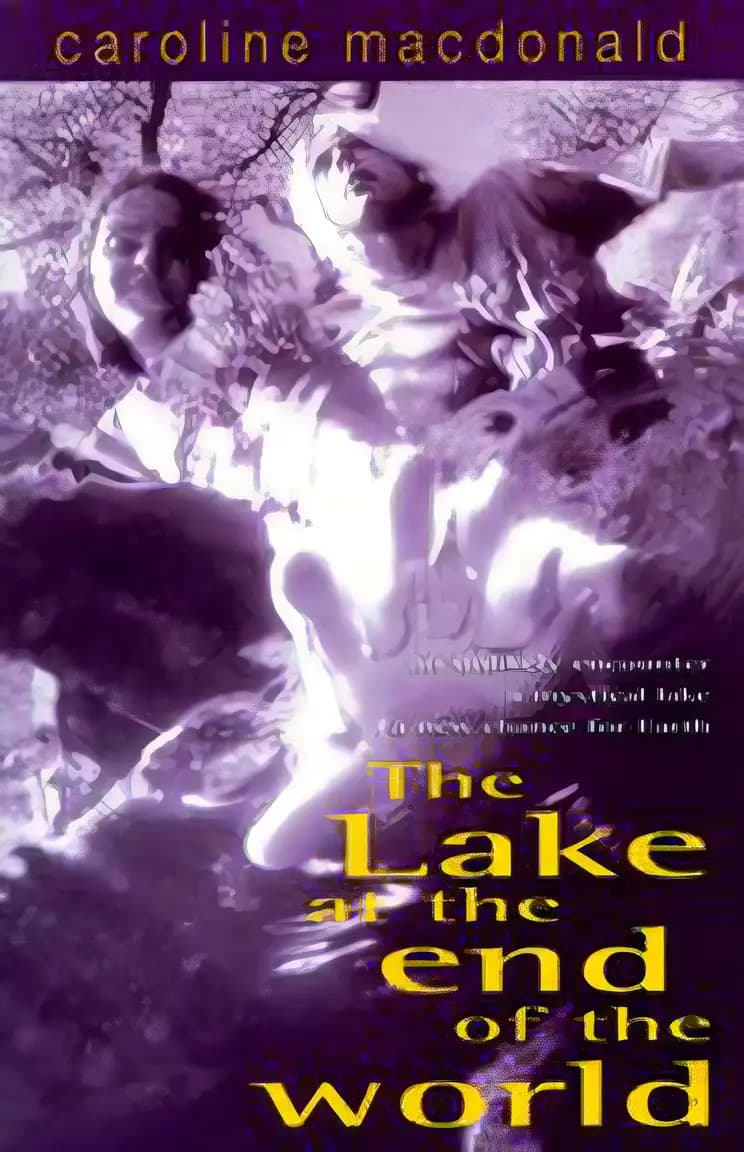
The Lake at End of the World
on Goodreads (284)
What’s inside...
In 'The Lake at the End of the World' by Caroline MacDonald, two protagonists, Hector and Diana, navigate a post-apocalyptic world. Hector lives underground in a disused subway with a group of elders, believing they are the last humans on Earth. Diana, on the other hand, lives above ground, where a catastrophe has poisoned the land and water, making it uninhabitable for most life forms. Despite the desolation, Diana's father has taught her how to survive in this harsh environment. Their paths cross when Hector ventures to the surface and meets Diana. Together, they confront the challenges of their world, exploring themes of survival, hope, and the human spirit's resilience. As they journey through the desolate landscape, they learn from each other and work to uncover the truth about the state of the world, seeking a way to heal the damage and restore life to the planet.
Age
12-15
Length
184 pages
Text complexity
Character compass
Diana
Hector
Rebekah
Hector'S Father
Hector of Troy
Discussion points
How did the characters' environment influence their actions and decisions throughout the story?
What lessons can we learn about friendship and trust from the relationship between Diana and Hector?
If you were in the same situation as the characters, what would you have done differently?
How do you think the world outside the valley differs from the one inside, based on the descriptions in the book?
What does the lake symbolize in the story and why is it important?
Tip: Role play these questions
Before reading each chapter, ask your child what they think might happen next, fostering prediction skills.
Discuss the moral dilemmas faced by the characters, relating them to everyday decisions to enhance empathy and ethical thinking.
Create a 'mood board' with your child using images and words that represent the book’s themes, deepening understanding and creativity.
Encourage your child to draw parallels between the book’s world and their own experiences, improving their ability to connect and reflect.
After finishing the book, ask your child to imagine an alternate ending, which promotes creative thinking and narrative skills.
Key lessons
Example Lesson: The importance of friendship and trust
Explanation: In the story, the bond between the two main characters, Diana and Hector, showcases the power of trust and teamwork as they unite to solve the problems facing their worlds.
Real-World Application: Children can apply this lesson by learning to trust and cooperate with their peers in school projects or during play, understanding that teamwork can lead to achieving great goals.
Example Lesson: Resilience in the face of adversity
Explanation: The characters in the book face significant challenges in their environments, yet they demonstrate resilience and determination to make positive changes.
Real-World Application: This teaches children to remain determined and keep striving for solutions during difficult times, whether that's working through a tough homework assignment or resolving conflicts with friends.
Example Lesson: Environmental stewardship
Explanation: The novel highlights the impact of human actions on the environment and the necessity for sustainable living, reflected in the characters' efforts to save their worlds from ecological disasters.
Real-World Application: Children can learn to be more conscious of their environmental impact, practicing recycling, conserving water, or engaging in clean-up activities in their communities.
Example Lesson: Curiosity and the pursuit of knowledge
Explanation: The characters' quest to understand more about their mysterious surroundings and history plays a crucial role in their survival and success.
Real-World Application: This can inspire children to be inquisitive and value education, motivating them to explore and learn about different subjects and the world around them.