
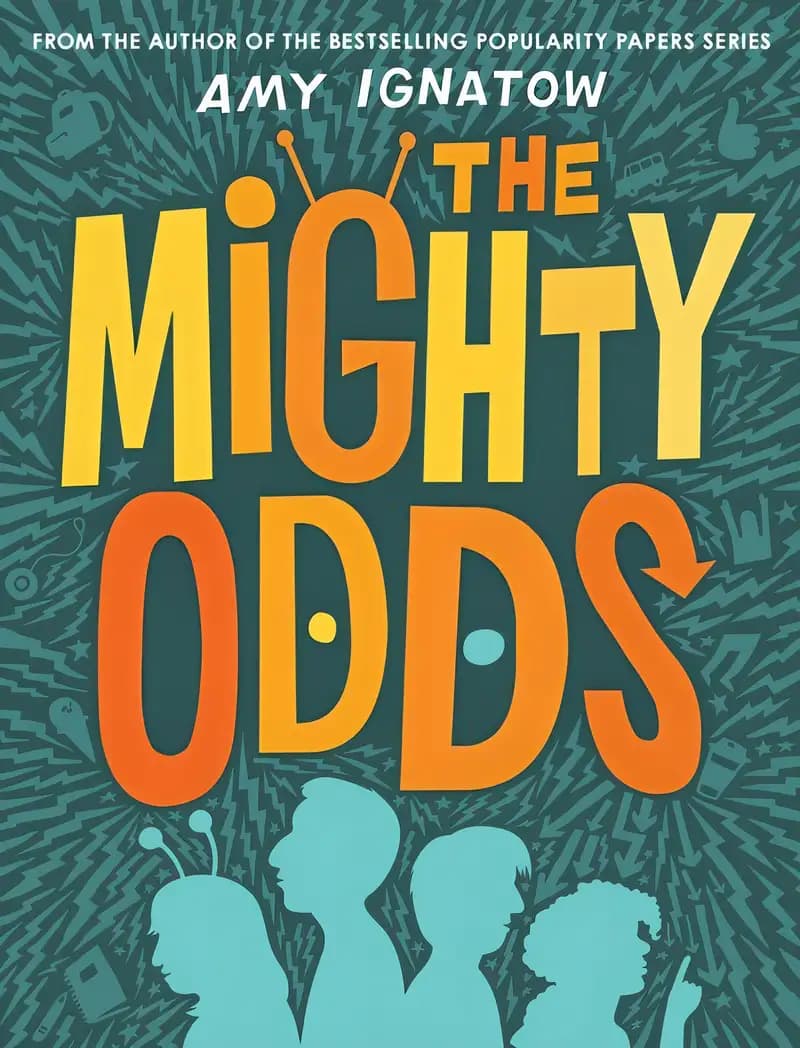
The Mighty Odds
#1 of 1 in The Odds Series
on Goodreads (679)
What’s inside...
When a sweet nerd, an artsy cartoonist, a social outcast, and the most popular girl in school are involved in a mysterious bus accident, this seemingly random group of kids starts to notice some very strange abilities they did not have before. Artsy Martina can change her eye color. Nerdy Nick can teleport . . . four inches to the left. Outcast Farshad develops super strength, but only in his thumbs. And Cookie, the It Girl of school’s most popular clique, has suddenly developed the ability to read minds . . . when those minds are thinking about directions. They are oddly mighty—especially together.
This group—who would never hang out under normal circumstances—must now combine all of their strengths to figure out what happened during the bus accident. With alternating narratives from each of the heroes, including illustrated pieces from Martina.
Why read this book
- Adventure-filled story sparks imagination and curiosity.
- Diverse characters promote inclusivity and understanding.
- Enhances problem-solving skills through engaging plot twists.
- Encourages teamwork and friendship values.
Character compass
Nick Reeves
Cookie Stone
Ally
Jay
Discussion points
What would you do if you suddenly discovered you had a superpower? How would you use it?
How do the characters in 'The Mighty Odds' handle being different? Can you relate to their experiences in any way?
Why do you think teamwork is important, as shown in the book? Can you share an example from your own life when teamwork helped you?
How do the characters grow from the beginning to the end of the story? What changes do you notice?
If you could add a new character to 'The Mighty Odds,' what qualities would they have and why?
Tip: Role play these questions
Encourage your child to think deeply about the characters and situations in 'The Mighty Odds'. Ask them to consider what they would do in similar circumstances, and discuss the importance of empathy and teamwork. Highlight parallels between the book's events and real-life scenarios to make the discussion more relatable. Use the questions as a starting point but let your child's responses guide the conversation, showing genuine interest in their thoughts and feelings.
Key lessons
Example Lesson: Embracing diversity
Explanation: The Mighty Odds features a group of mismatched kids with unusual powers, highlighting how differences can bring people together and create strength.
Real-World Application: Children can learn to appreciate and embrace the differences in others around them, promoting inclusivity in their daily interactions.
Example Lesson: Teamwork and collaboration
Explanation: Throughout the book, the characters must work together to solve problems despite their differences, portraying the importance of teamwork.
Real-World Application: This lesson can encourage children to cooperate with others in group settings such as school projects or sports teams, understanding that collective effort often leads to success.
Example Lesson: Resilience in adversity
Explanation: The protagonists face various challenges but manage to persevere, showing that resilience is key to overcoming obstacles.
Real-World Application: Children can apply this lesson by developing a positive mindset towards challenges they face in school or in personal development, learning to not give up easily.
Example Lesson: Understanding and empathy
Explanation: The characters in The Mighty Odds learn about each other’s unique backgrounds and struggles, fostering empathy and deeper connections.
Real-World Application: This promotes empathy in children, encouraging them to seek to understand the emotions and situations of peers, enhancing social interactions and emotional intelligence.
Example Lesson: Creative problem-solving
Explanation: The group often uses their unique abilities in creative ways to navigate tricky situations, illustrating the power of thinking outside the box.
Real-World Application: Children can be inspired to approach problems creatively, whether in academic tasks or personal dilemmas, fostering innovation and flexible thinking.