
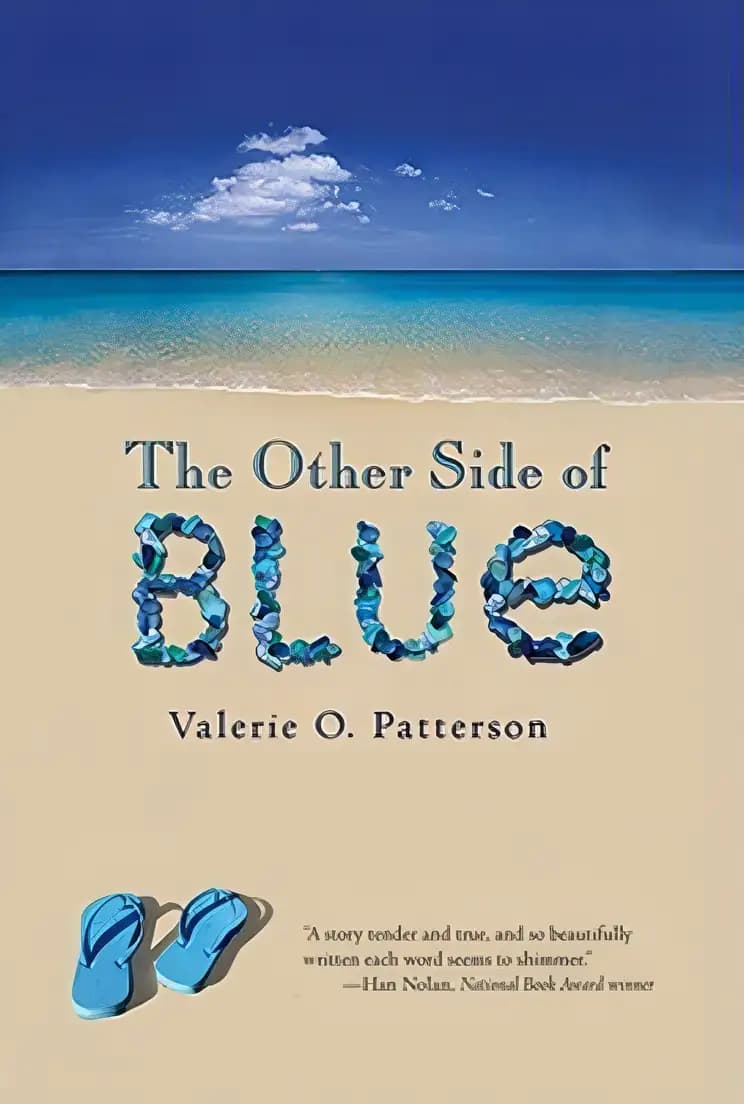
The Other Side of Blue
on Goodreads (158)
What’s inside...
Cyan was named after a shade of blue, her artist mother's favorite color. The color of the sea. Since her father's death last year, she's felt just as mercurial and dark as her namesake, and the distance between Cyan and her mother has grown as wide as an ocean. Now they're returning to the island of Curaçao in the Caribbean, where her father's mysterious accident occurred, and joining them will be Kammi--who may soon become a stepsister. Haunted by the secrets of the past, Cyan will explore all the depths of her blueness this summer, discovering the light, the darkness, and the many shades in between that are within her—and within us all.
Age
11-12
Length
240 pages
Text complexity
Discussion points
How do you think Cydney felt when she discovered new truths about her family? How would you feel in her situation?
What do you think the color blue symbolizes in the story? Can you think of a time when you associated a color with an emotion?
Why do you think the author chose the sea as an important setting in the book? How does the sea affect Cydney’s journey?
What does forgiveness mean to you? How do the characters in the book show forgiveness?
How do you think Cydney changes by the end of the book? What do you think caused those changes?
Tip: Role play these questions
Start the conversation by sharing your own thoughts about the book's themes, like grief and healing, to make your child feel comfortable sharing their insights.
Encourage your child to empathize with Cydney by asking them to share if they've ever felt similar emotions, and how they handled them.
Relate the book's setting and symbols to real-life examples that your child might be familiar with, making the story more relatable and understandable.
Discuss the characters’ actions and motivations to delve deeper into the moral lessons of the story, which can help instill values such as empathy and understanding.
Give positive reinforcement after your child shares their thoughts, to encourage open expression and enhance their analytical thinking skills.
Key lessons
Example Lesson: Coping with grief
Explanation: The protagonist deals with the loss of her father and the complex emotions that follow. Through her journey, readers see her stages of grief and eventual acceptance.
Real-World Application: This can help children understand their feelings of loss and learn ways to cope with them, recognizing that it's a natural part of life.
Example Lesson: Understanding and accepting change
Explanation: The story explores how the main character's life changes after a tragic event and how she adapts to a new normal.
Real-World Application: Children can learn to embrace change in their lives, whether it's moving to a new place, changing schools, or adjusting to new family dynamics.
Example Lesson: The importance of genuine friendships
Explanation: As the protagonist navigates her emotions, the support of true friends plays a crucial role in her healing process.
Real-World Application: This lesson emphasizes to children the value of nurturing deep and supportive friendships and how they can be a source of comfort during tough times.
Example Lesson: Self-discovery and personal growth
Explanation: Throughout the novel, the protagonist embarks on a journey of self-discovery that highlights her resilience and growth.
Real-World Application: Children can be encouraged to explore their own identities and experiences as a way to grow personally and understand their place in the world.
Example Lesson: Empathy and compassion
Explanation: The book shows how understanding different perspectives and backgrounds leads to deeper relationships and self-awareness.
Real-World Application: This teaches children the importance of empathy by considering and respecting others' feelings and viewpoints, enhancing their social interactions and emotional intelligence.