
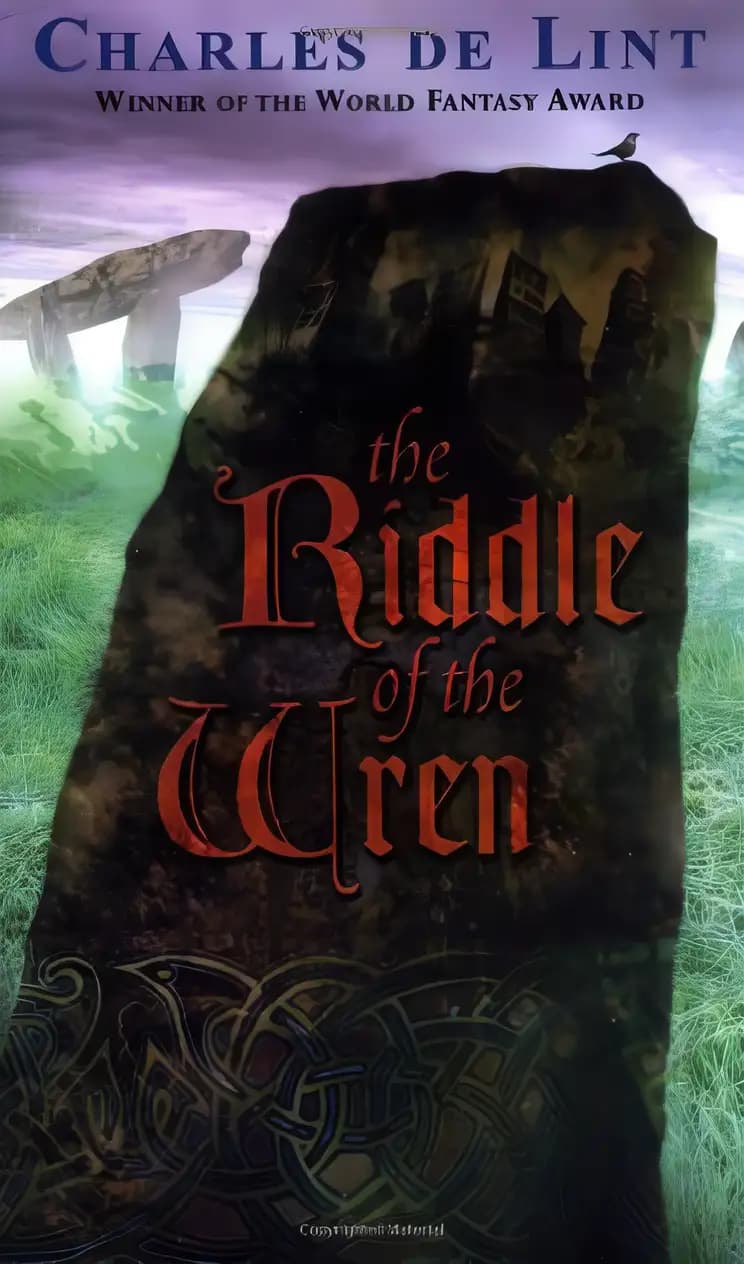
The Riddle of the Wren
on Goodreads (1,678)
What’s inside...
Minda, who is trapped inside a dark nightmare, makes a journey to another world to confront Ildran the Dream-master and try to save the Lord of the Moors.
Age
12-16
Length
295 pages
Text complexity
Character compass
Minda Sealy
Janatris
He Who Whispers
Discussion points
What do you think Wren felt when she ventured into the unknown lands? How would you feel in her place?
How do the characters in the book show bravery and friendship? Can you think of a time when you had to be brave like them?
What role does magic play in Wren’s journey? What kind of magic would you like to have and how would you use it?
Why is it important for Wren to solve the riddle? What are some challenges she faces along the way?
How do the choices Wren makes affect her adventure? What important choices have you made that affected your life?
Tip: Role play these questions
Start the discussion by sharing your own thoughts on the book’s themes and ask your child to share theirs. This creates an open space for dialogue.
Use the questions to guide a deeper understanding of the character’s motivations and feelings, helping your child connect emotionally with the story.
Encourage your child to imagine themselves in the story’s setting, asking how they would react to specific events or challenges faced by the characters.
Discuss the significance of friendship and courage as depicted in the book, linking them to your child’s own experiences at school or with friends.
Highlight the problem-solving aspect of the story by focusing on how Wren handles challenges. This can be a way to talk about the importance of critical thinking and perseverance.
Key lessons
Example Lesson: Courage in facing the unknown
Explanation: The protagonist, Minda, embarks on a perilous journey into unknown realms, demonstrating bravery and determination.
Real-World Application: Children can learn to approach new situations or challenges in their lives with courage, understanding that stepping out of their comfort zone is a part of growth.
Example Lesson: The importance of friendship
Explanation: Throughout her adventures, Minda relies on the support and camaraderie of new friends who help her overcome obstacles.
Real-World Application: This teaches children the value of building and maintaining friendships, showing how cooperation and support can help navigate difficult situations.
Example Lesson: Resilience in adversity
Explanation: Minda faces numerous challenges and setbacks but remains resilient and focused on her goals.
Real-World Application: Children can learn to remain steadfast and not be discouraged by setbacks, understanding that perseverance is key to overcoming difficulties.
Example Lesson: Problem-solving skills
Explanation: The book is filled with riddles and puzzles that Minda must solve to progress in her journey, demonstrating critical thinking and problem-solving.
Real-World Application: This encourages children to develop their analytical and problem-solving skills, which are essential in academic and daily life scenarios.
Example Lesson: Understanding diverse perspectives
Explanation: Minda encounters various characters with different backgrounds and stories, learning to understand and respect diverse viewpoints.
Real-World Application: Children are encouraged to be open-minded and respectful of people's differences, promoting empathy and inclusivity in their interactions.