
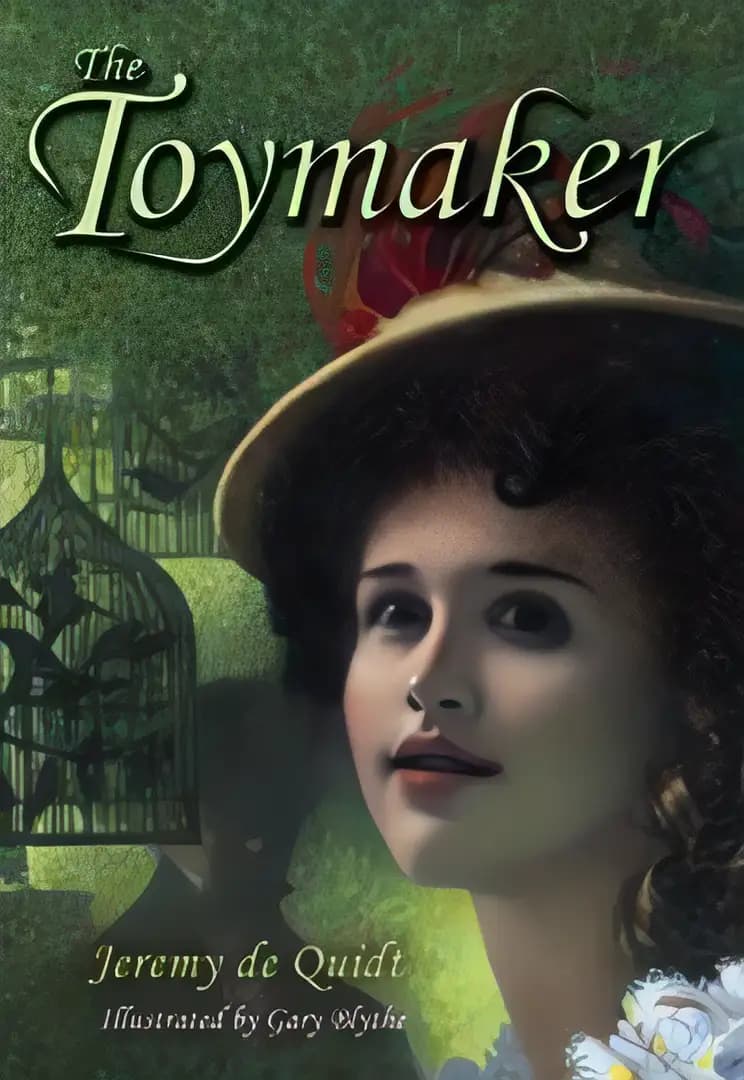
The Toymaker
on Goodreads (492)
What’s inside...
What good is a toy that will wind down? What if you could put a heart in one? A real heart. One that beat and beat and didn't stop. What couldn't you do if you could make a toy like that? From the moment Mathias becomes the owner of a mysterious piece of paper, he is in terrible danger. Entangled in devious plots and pursued by the sinister Doctor Leiter and his devilish toys, Mathias finds himself on a quest to uncover a deadly secret.
Age
8-12
Length
368 pages
Text complexity
Character compass
Mathias
The Toymaker
Koenig
Discussion points
What do you think motivated the toymaker to create such unique toys?
How do you feel about the way the characters interacted with each other throughout the story?
What would you have done if you were in Florian's shoes when faced with the challenges?
Can you think of a time when you had to make a difficult decision, like some of the characters in the book?
What lessons do you think the story teaches about trust and friendship?
Tip: Role play these questions
Encourage your child to express their feelings about the story, focusing on how the characters’ decisions affected them emotionally.
Discuss the moral dilemmas presented in the book and relate them to real-life situations your child might encounter.
Ask your child to imagine alternative endings for the story, encouraging creative thinking and storytelling skills.
Utilize the book’s themes of curiosity and resilience as a way to connect the story to your child’s personal experiences or challenges they might face.
Key lessons
Example Lesson: Value of Perseverance
Explanation: In 'The Toymaker', the protagonist faces numerous challenges but continues to strive towards his goals, demonstrating determination and resilience.
Real-World Application: Children can learn to persist in their own tasks and endeavors, whether in school or personal projects, understanding that challenges are a part of any process.
Example Lesson: Understanding Consequences
Explanation: The story highlights how decisions can lead to various outcomes, teaching the protagonist to think critically about choices.
Real-World Application: This can help children think more carefully about the potential outcomes of their actions and encourage them to make ethical decisions.
Example Lesson: Importance of Trust
Explanation: As relationships develop in the story, the importance of trust and honesty becomes prominent, impacting the characters' interactions and outcomes.
Real-World Application: Children can learn the value of building trust in relationships with family and friends, understanding how honesty can strengthen bonds.
Example Lesson: Courage in Adversity
Explanation: Characters in the book face frightening situations, yet they show courage and face their fears, which is pivotal to the plot's progression.
Real-World Application: This can inspire children to act bravely in their own lives, especially when facing new or intimidating challenges.
Example Lesson: Empathy and Understanding
Explanation: Through the interactions between characters, readers see the benefits of empathizing with others, which shapes the story’s events.
Real-World Application: Children can learn to be considerate and understand different perspectives, improving their social interactions and emotional intelligence.