
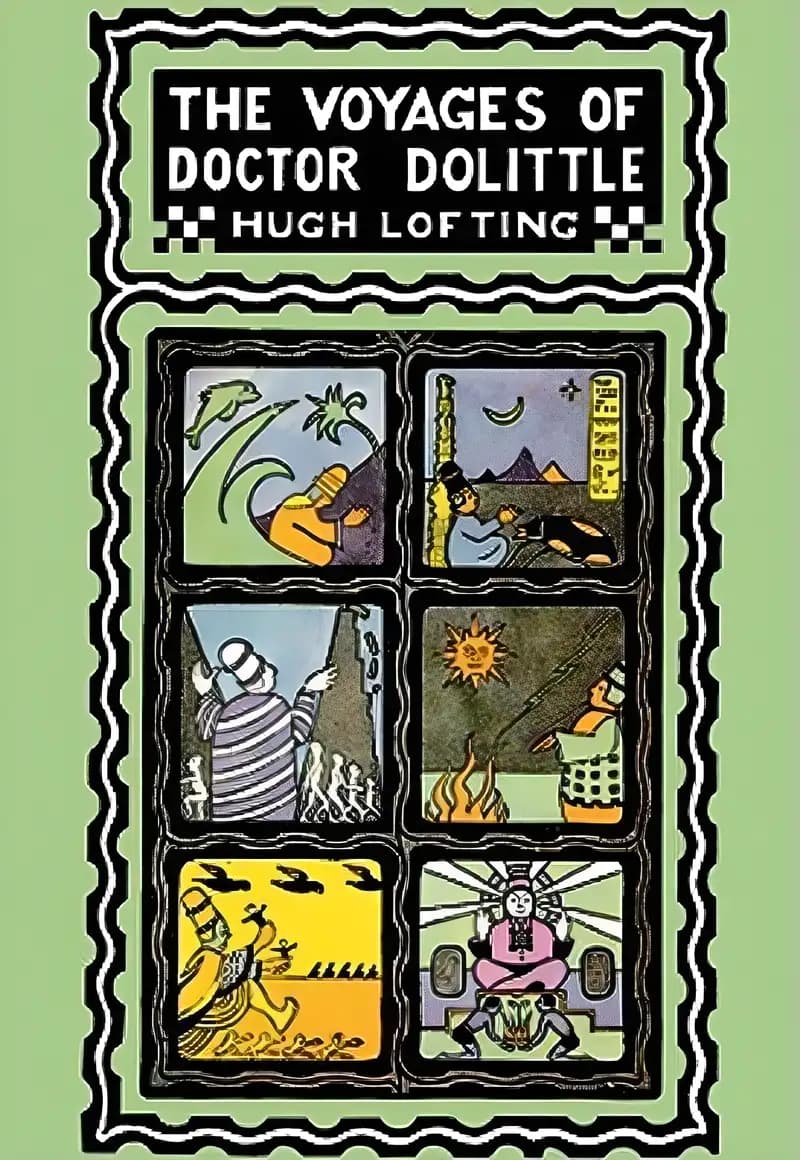
The Voyages of Dr. Dolittle
#2 of 7 in Doctor Dolittle Series
on Goodreads (17,300)
What’s inside...
The good Doctor Dolittle, accompanied by his devoted animal friends, sets sail once again. This time it is a voyage of discovery to learn the secret of the Shellfish language--and to teach Tommy Stubbins, the Doctor's young protégé, all there is to know about animals and their languages. The jolly party meets with more adventures than they had anticipated, including a shipwreck, a floating island, and a journey undersea in the Great Glass Sea Snail. Winner of the Newbery Award for 'the most distinguished contribution to children's literature in any single year.'
Character compass
Doctor John Dolittle
Polynesia
Luke The Hermit
Chee-Chee
Jip
Tommy Stubbins
Miranda
Discussion points
How do you think speaking to animals would change the way we treat them? Why?
Dr. Dolittle goes on many adventures. Which adventure excited you the most and why?
What qualities make Dr. Dolittle a good friend to the animals and people he meets?
If you could talk to any animal, which one would you choose and what would you ask it?
How do the different characters in the book help Dr. Dolittle on his voyages?
Tip: Role play these questions
Use expressive reading to bring characters to life, altering your voice for different characters to make the story more engaging.
Ask your child to imagine and describe an unseen part of the story or predict what could happen next at pivotal moments.
Relate the story to your child’s experiences by discussing times they have helped someone and how it made them feel.
Encourage your child to draw their favorite scene or character from the book, then describe why they chose it. This can deepen their connection to the story.
After reading, let your child lead a conversation about the book, supporting them to express their thoughts and feelings about the story.
Key lessons
Example Lesson: Empathy and Compassion
Explanation: Dr. Dolittle's character exemplifies deep empathy and compassion, as he communicates with animals and understands their perspectives.
Real-World Application: Children can learn to appreciate and be kind to all living creatures, fostering a caring attitude towards pets and wildlife in their surroundings.
Example Lesson: Value of Communication
Explanation: The story highlights the importance of communication through Dr. Dolittle's ability to speak with animals, which helps him solve problems and help others.
Real-World Application: This lesson can teach children the importance of effective communication and encourage them to express their thoughts and feelings openly and respectfully.
Example Lesson: Respect for Diversity
Explanation: Through his adventures, Dr. Dolittle encounters various cultures and species, teaching the reader about diversity and the richness it brings to our lives.
Real-World Application: Children can learn to embrace and celebrate differences among people in their community and the wider world, promoting inclusivity.
Example Lesson: Curiosity and Lifelong Learning
Explanation: The character of Dr. Dolittle is always eager to learn more about the world, animals, and different cultures, demonstrating a passion for knowledge.
Real-World Application: This encourages children to be curious, ask questions, and seek out new learning opportunities in their everyday lives.
Example Lesson: Responsibility and Caretaking
Explanation: Dr. Dolittle often goes out of his way to care for and protect animals, highlighting themes of responsibility and stewardship.
Real-World Application: Children are encouraged to take responsibility for their actions, especially in how they treat and care for others, including pets and the environment.