
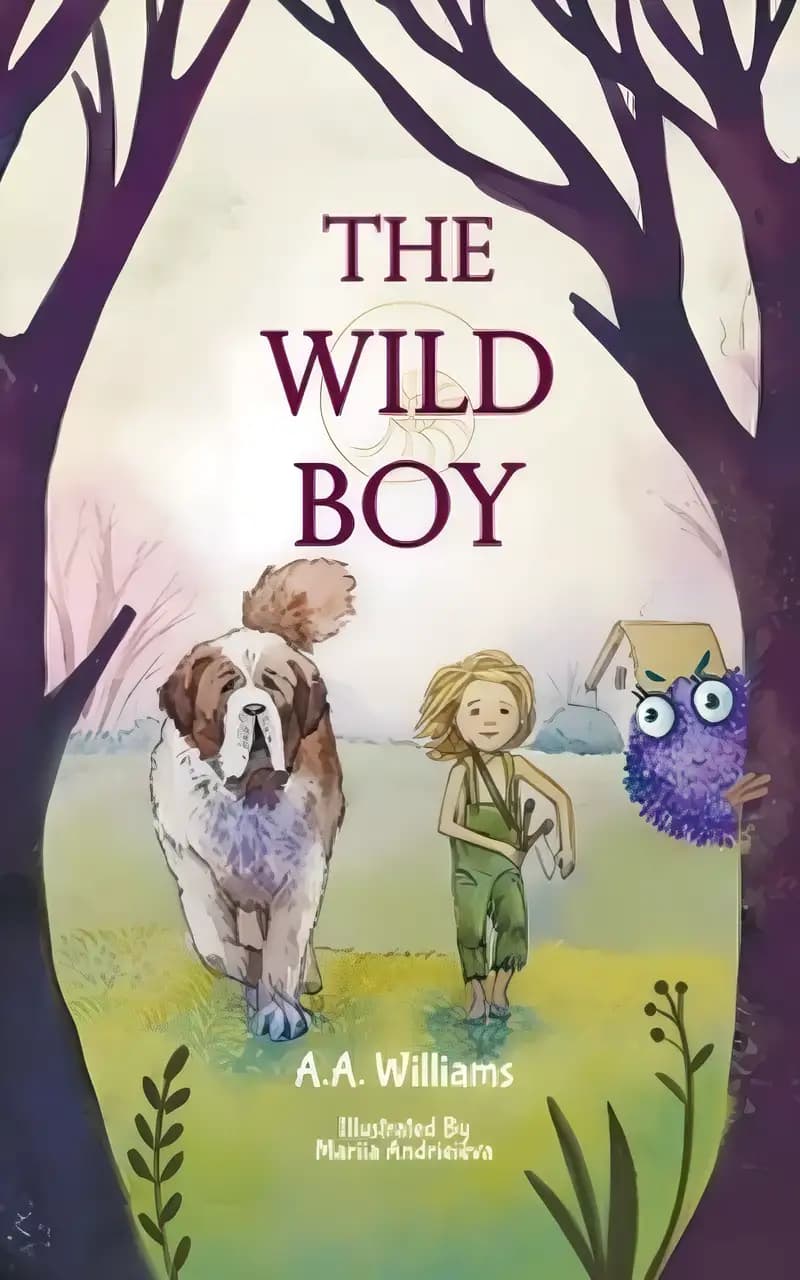
The Wild Boy
What’s inside...
While playing in his garden, Wilder meets a whimsical Woggledorf named Wimpelton. Wilder and his pup Winfrey join Wimpelton on an adventure to a mysterious land. On their adventure, they face many trials where they learn about friendship and the importance of taking care of the world around them.
Age
5-12
Length
74 pages
Text complexity
Discussion points
How do you think the Wild Boy felt when he was alone in the forest?
What do you think the animals taught the Wild Boy about friendship and survival?
If you were in the Wild Boy's place, what would you have done differently?
Why do you think the villagers reacted the way they did to the Wild Boy?
What can we learn about kindness and understanding from the Wild Boy's story?
Tip: Role play these questions
While discussing the book, maintain an open and non-judgmental tone to encourage your child to express their thoughts and feelings freely.
Relate the themes of the book, like survival and friendship, to personal experiences or similar stories to make the conversation more relatable and engaging for your child.
Ask follow-up questions based on your child’s responses to dig deeper into their understanding and perspective of the story.
Encourage your child to imagine alternative endings or different scenarios in the story, enhancing their creative and critical thinking skills.
Recognize and validate your child’s feelings about the story, whether they are of empathy, curiosity, or even confusion, to foster a supportive environment for discussion.
Key lessons
Example Lesson: Empathy and Understanding
Explanation: In 'The Wild Boy', the protagonist learns to understand and empathize with a boy who seems different from others. The story illustrates how the protagonist's initial fear and misunderstanding evolves into a deep connection.
Real-World Application: Children can apply this lesson by learning to accept and understand peers who might seem different from them, promoting inclusiveness and compassion in their daily interactions.
Example Lesson: Courage and Adventure
Explanation: The story showcases the protagonist's brave journey to befriend the wild boy, despite the challenges and fears he faces.
Real-World Application: This encourages children to be courageous in exploring new experiences and facing their fears, whether it's trying out a new activity or standing up for themselves or others.
Example Lesson: The Importance of Friendship
Explanation: As the friendship between the protagonist and the wild boy grows, they learn from each other and help each other. The story underlines the mutual benefits and joys of friendship.
Real-World Application: Children learn the value of building and maintaining friendships, understanding that true friends support and enrich each other's lives.
Example Lesson: Respect for Nature
Explanation: Throughout their adventures, the protagonist and the wild boy interact with nature, which plays a pivotal role in the story. The narrative teaches children the importance of respecting and preserving the natural world.
Real-World Application: This lesson can inspire children to engage with the environment responsibly and encourage activities such as recycling, conservation, and appreciation of the outdoors.