
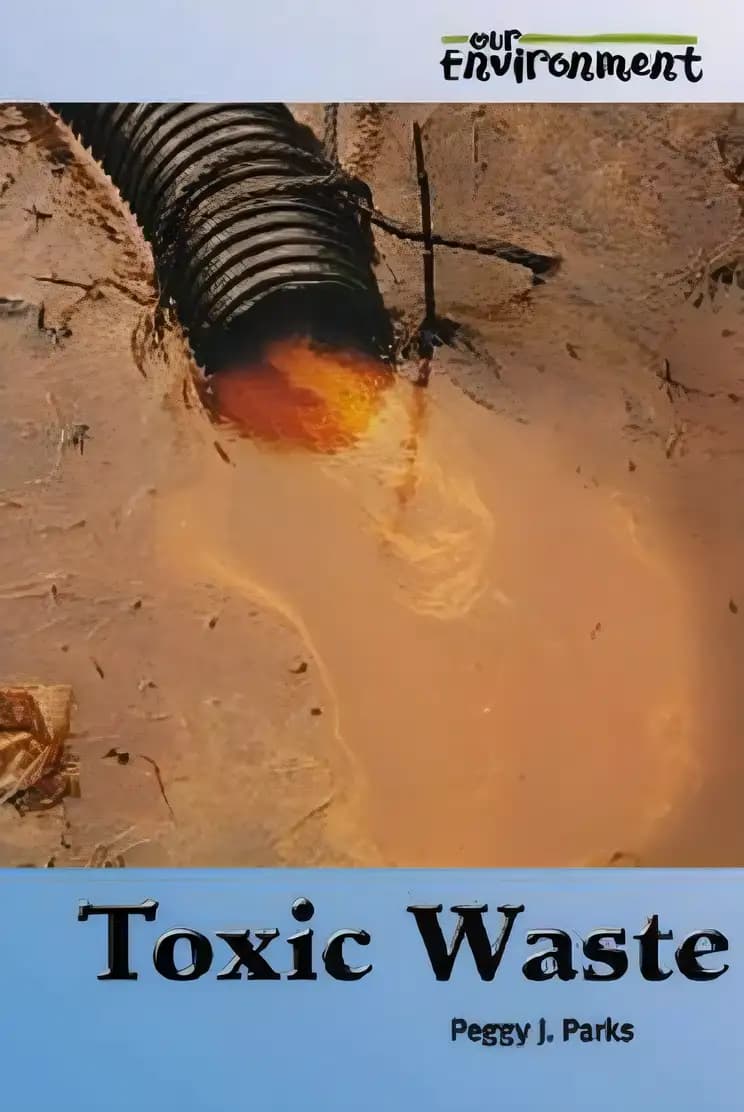
Toxic Waste
Our environment Series
What’s inside...
Wolf Hill is a book series by Roderick Hunt and Alex Brychta, known for their work on the Oxford Reading Tree. The series targets readers aged 7-11 and features stories about a group of friends in Wolf Hill who navigate real-world adventures and tackle issues related to friendship, school, and life in a modern urban setting. The books are styled to resemble novels for older children, enhancing confidence and appealing to image-conscious pupils. The series also addresses environmental and community action themes, and is available in mixed or class packs.
Series reading
Non-Sequential
Age
9-12
Length
1 pages
Text complexity
Discussion points
How did the story of 'Toxic Waste' make you feel about protecting the environment?
What are the main consequences of toxic waste mentioned in the book?
Who do you think has the biggest responsibility to solve the problem of toxic waste, and why?
Can you think of some ways that people can prevent toxic waste from harming our planet?
What actions can we take together as a family to help reduce waste?
Tip: Role play these questions
Before starting the book, discuss with your child what they already know about recycling and pollution.
Pause at key moments in the story to ask your child how they think the characters feel about the environmental impacts they encounter.
Relate the story to your child’s daily life by pointing out local examples of pollution and discussing their impact.
After reading, encourage your child to think of a mini-project, like a neighborhood cleanup, that you can do together to reinforce the book’s message.
Use expressive reading to convey the urgency and emotion behind the book’s call to action on environmental issues.
Key lessons
Example Lesson: Environmental Responsibility
Explanation: Toxic Waste underscores the importance of disposing of waste properly to protect the environment. Through vivid imagery and compelling characters, the narrative illustrates the dire consequences of pollution.
Real-World Application: Children can apply this lesson by engaging in recycling activities, proper waste disposal, and participating in local clean-up efforts in their communities.
Example Lesson: Community Involvement
Explanation: The book shows how a community comes together to tackle the toxic waste issue. This collective action underscores the power of community involvement and teamwork.
Real-World Application: Children learn the value of participating in community decisions and actions, like attending community meetings or joining environmental groups, to make a positive impact.
Example Lesson: Problem-Solving
Explanation: Characters in Toxic Waste are faced with the challenge of cleaning up their neighborhood. The story explores different strategies they employ, promoting critical thinking and innovative problem-solving.
Real-World Application: This lesson encourages children to think critically about solutions to everyday problems, whether it's resolving conflicts with peers or coming up with ways to help around the house.
Example Lesson: Awareness of Environmental Health
Explanation: The book educates on how environmental issues like toxic waste can affect personal health. This link prompts a deeper understanding of the environment-health connection.
Real-World Application: Kids can be more conscious of their surroundings and the products they use, understanding their health implications and choosing safer, environmentally friendly options.