
on Goodreads (3)
What’s inside...
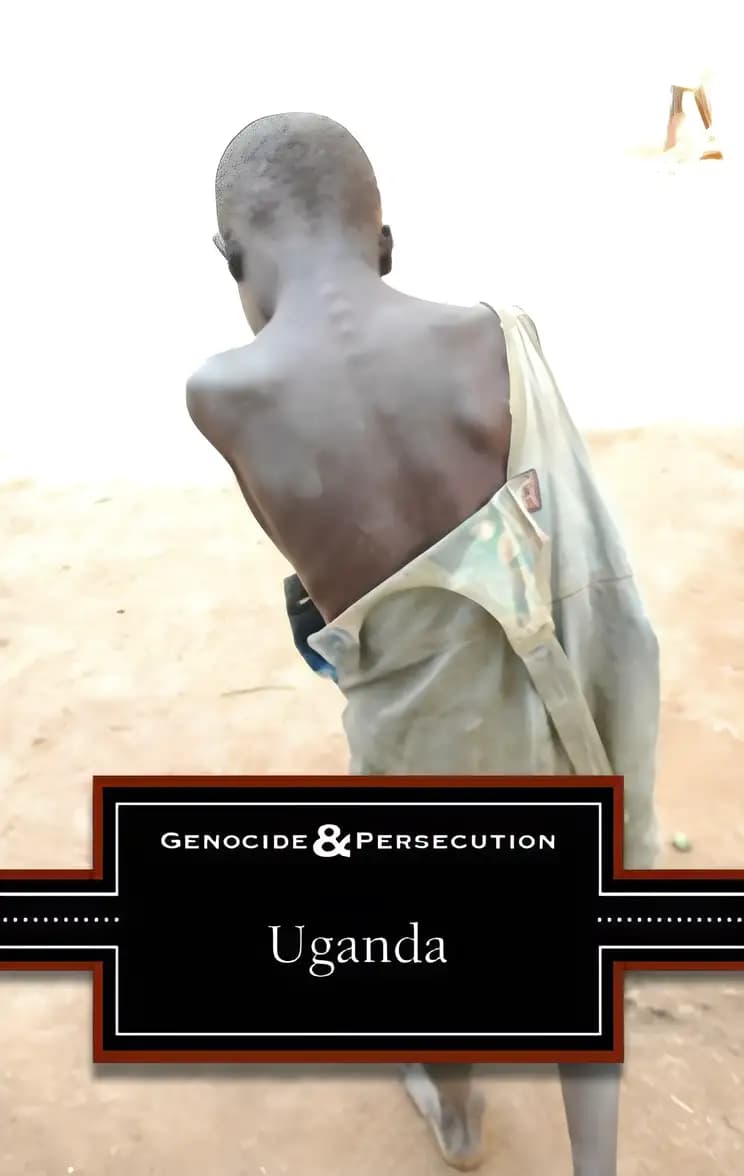
This title provides an in-depth overview of Uganda, covering its geography, history, government, social life and customs, and its relationship with North America. It also explores the genocide and persecution in Uganda, focusing on events from the early 1970s to the twenty-first century, including the rule of Idi Amin, Milton Obote, and Yoweri Museveni. The Genocide and Persecution series offers a multitude of perspectives, allowing for a more nuanced understanding of these complex and horrific periods in world history.
Series reading
Non-Sequential
Age
16-18
Length
240 pages
Text complexity
Discussion points
What did you find most interesting about the culture and people of Uganda?
How do you think life in Uganda is different from where we live?
What is one thing you learned from the book that you didn't know before?
If you could visit Uganda, what would you like to see or do there?
How do you think learning about other countries and cultures can help us?
Tip: Role play these questions
Before delving into the book, locate Uganda on a map together to set the geographical context.
Encourage your child to draw or list similarities and differences between their life and the lives of children in Uganda as they read.
Ask your child how they feel about the information shared in the book and if there's something they find particularly surprising or relatable.
Post reading, encourage your child to research more about Uganda’s wildlife, traditional dances, or foods, connecting back to the details they enjoyed in the book.
Highlight the importance of global awareness and empathy, discussing how understanding different cultures can make us kinder and more inclusive.
Key lessons
Example Lesson: Cultural Appreciation
Explanation: The book 'Uganda' by Myra M. Immell introduces young readers to the rich culture, traditions, and history of Uganda, portraying them in a positive light.
Real-World Application: Children can learn to appreciate and respect diverse cultures, which can enhance social inclusion and empathy in their interactions with people from different backgrounds.
Example Lesson: Geographical Knowledge
Explanation: The book provides detailed information on Uganda’s geographical features like the Nile River and Rwenzori Mountains.
Real-World Application: This can help children understand the importance of geography in the cultural and economic aspects of a country, fostering a broader understanding of the world.
Example Lesson: Conservation Awareness
Explanation: Through descriptions of Uganda's wildlife and national parks, the book emphasizes the importance of conservation.
Real-World Application: Children can apply this knowledge by engaging in or supporting environmental preservation activities in their own communities.
Example Lesson: Historical Insights
Explanation: The book covers significant historical events and figures in Uganda, providing context to its current state.
Real-World Application: This encourages children to be curious about history and learn from it, potentially increasing their awareness of global events and their impacts.