
We Are Not Free
on Goodreads (11,649)
What’s inside...
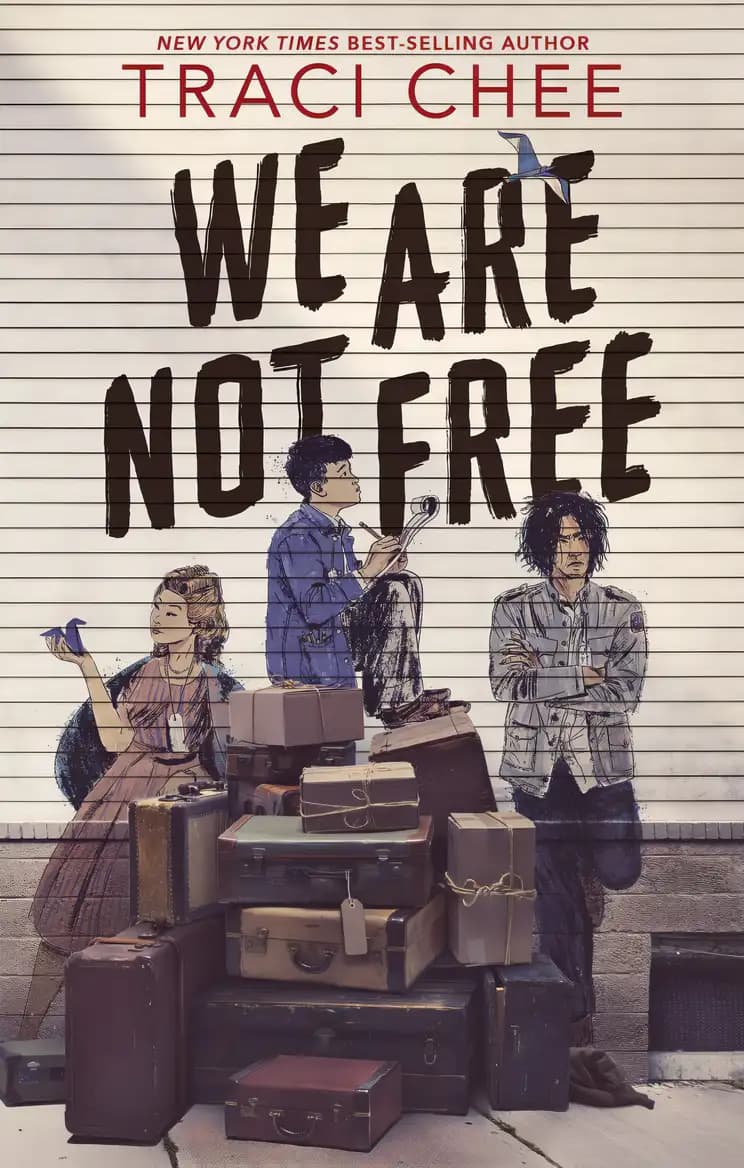
We Are Not Free is the collective account of a group of young Nisei, second-generation Japanese American citizens, whose lives are changed by the mass U.S. incarcerations during World War II. Fourteen teens from Japantown, San Francisco, form a close community and family, but face conflicts as over 100,000 people of Japanese ancestry are forced into incarceration camps. Despite being in a world filled with hatred, these teens must unite to fight against racism and injustice.
Age
11-12
Length
384 pages
Text complexity
Character compass
Minoru 'Minnow' Ito
Nori
Kats
Keiko
Tommy
Lily
Bette
Yuki
Aki
Twitchy
Stan
Mas
Frankie
Shigeru 'Shig' Ito
Discussion points
How do the characters in 'We Are Not Free' show resilience and courage in the face of adversity?
What impact do you think friendship and community have on the characters during their challenging times?
Can you relate to any of the characters’ experiences? What would you have done in their situation?
How does the setting influence the story? What emotions did the historical context evoke in you?
Why is it important to remember and discuss historical events like those depicted in 'We Are Not Free'?
Tip: Role play these questions
Encourage your child to put themselves in the characters' shoes, which enhances empathy and understanding of diverse historical experiences.
Discuss the power of community and support networks. Highlight examples from the book and relate them to your child’s own life.
Use historical context provided in the book to have a broader conversation about social justice and human rights.
After each reading session, ask your child to summarize what they have learned about the characters’ emotions and choices, reinforcing comprehension and critical thinking.
Key lessons
Example Lesson: The importance of resilience and perseverance
Explanation: The characters in 'We Are Not Free' face the harsh realities of internment and discrimination, yet they demonstrate remarkable resilience and perseverance throughout these challenges.
Real-World Application: Children can learn to persist through their own difficulties, whether it's tackling a tough subject in school or dealing with social challenges among peers.
Example Lesson: Value of community and solidarity
Explanation: Throughout the book, the characters often come together to support one another, showing that strength often comes from unity and collective support.
Real-World Application: This lesson helps children understand the importance of standing together and supporting each other in times of need, promoting teamwork and empathy in their interactions.
Example Lesson: Understanding and confronting injustices
Explanation: The story provides a backdrop of historical injustices faced by Japanese Americans, encouraging readers to question and recognize injustices in their own world.
Real-World Application: Children are inspired to be more aware of fairness and equality in their daily lives, and to speak up against discrimination they witness or experience.
Example Lesson: The power of personal voice and advocacy
Explanation: Characters in the book make bold decisions to protect their rights and the rights of others, showing the impact of personal advocacy.
Real-World Application: Encourages children to express their opinions and stand up for what they believe in, whether it's in school debates or standing against unfair rules.
Example Lesson: Coping with change and loss
Explanation: As characters navigate through relocation and loss of their homes, they learn to adapt and find hope in new beginnings.
Real-World Application: Teaches children that while change can be difficult, it can also lead to new opportunities and growth. Helps them develop adaptability and resilience in changing circumstances.