
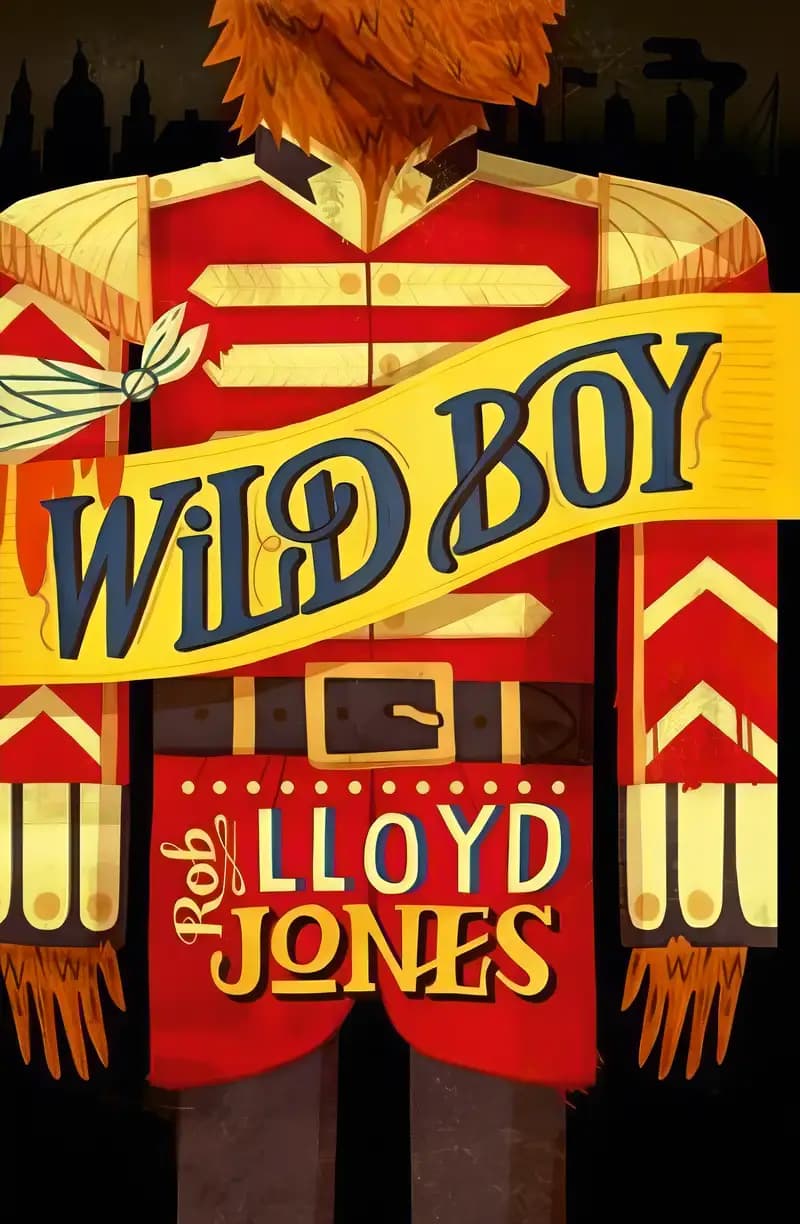
Wild Boy
#1 in Wild Boy 1 Series
on Goodreads (1,002)
What’s inside...
Wild Boy has been covered in hair since birth and condemned to life in a travelling freak show. Excluded from society, he takes refuge in watching people at the fair - and develops a talent for observation and detection. But when there's a murder, suspicion turns to Wild Boy, so he and the feisty acrobat Clarissa Everett find themselves on the run...
Why read this book
- Engages young minds with mystery and adventure.
- Encourages empathy through diverse, well-developed characters.
- Stimulates critical thinking and deductive reasoning.
- Supports literacy skills with captivating storytelling.
Character compass
Wild Boy
Clarissa
Mr. Chipchase
Discussion points
How do you think Wild Boy felt when he was misunderstood by others? What would you do if you were in his shoes?
What do you think makes someone a true friend? How did Clarissa demonstrate friendship to Wild Boy?
Wild Boy has a unique ability to notice details others miss. What unique skills do you think you have?
How do you think trust and betrayal play a role in the story? Who trusted Wild Boy and who betrayed him?
If you could change one part of Wild Boy's adventure, what would it be and why?
Tip: Role play these questions
Encourage your child to put themselves in Wild Boy’s shoes, fostering empathy and understanding. Use examples from the book to discuss real-life scenarios where they might feel different or misunderstood. Highlight the importance of friendship and trust, asking your child to share personal experiences related to these themes. After discussing the questions, consider creating a small project together, like drawing a scene from the book or writing a letter to Wild Boy.
Key lessons
Example Lesson: Empathy and understanding
Explanation: In 'Wild Boy', the protagonist, despite being shunned for his appearance, shows a deep capacity for empathy towards others. This is evident in his interactions with Clarissa and how he comes to understand the feelings and motives of other characters.
Real-World Application: Children can apply this lesson by learning to understand and share the feelings of their peers, promoting a more inclusive and supportive environment in their daily interactions at school and home.
Example Lesson: Resilience in the face of adversity
Explanation: Wild Boy faces significant challenges and prejudices due to his physical appearance and background. Despite these obstacles, he showcases remarkable resilience and determination throughout the story.
Real-World Application: This lesson can teach children to persist and maintain their efforts despite difficulties or setbacks, whether in their academics, sports, or personal goals.
Example Lesson: The value of friendship
Explanation: The friendship between Wild Boy and Clarissa is central to the plot. It highlights how mutual support and loyalty can overcome societal barriers and personal hardships.
Real-World Application: Children can learn the importance of building and maintaining friendships. This includes being supportive and trusting, which can help them navigate through challenging times in their lives.
Example Lesson: Critical thinking and problem-solving
Explanation: Throughout the book, Wild Boy uses his observational skills and analytical thinking to solve mysteries and survive in a harsh environment.
Real-World Application: Encouraging children to think critically and solve problems creatively can be beneficial in their education and in developing their ability to handle complex situations.
Example Lesson: Acceptance of differences
Explanation: The narrative of 'Wild Boy' underlines the importance of accepting and celebrating differences among individuals, as Wild Boy's unique abilities are eventually recognized and valued.
Real-World Application: This lesson can help children understand and appreciate the diversity of people in their communities, promoting inclusivity and reducing prejudices.