
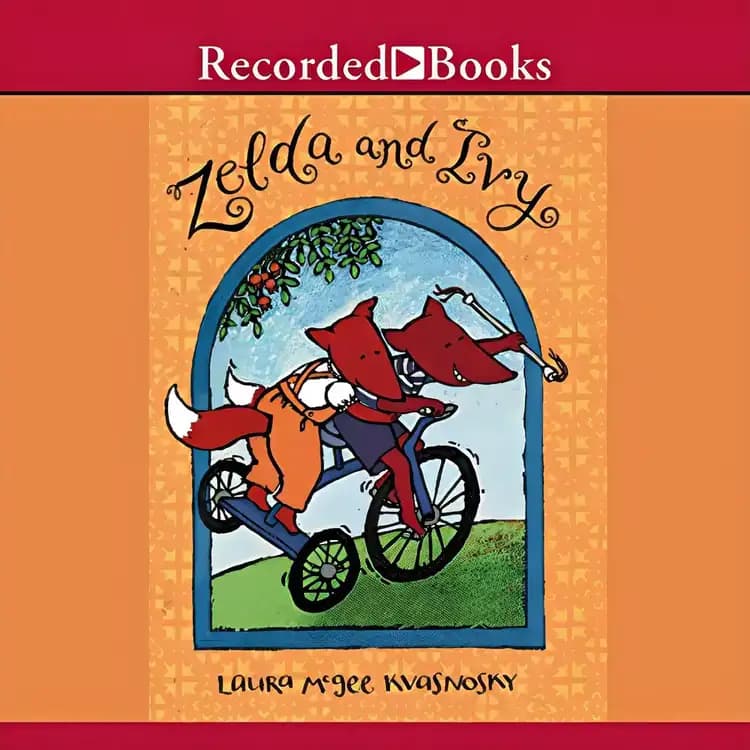
Zelda and Ivy Series
#1 of 39 in Zelda and Ivy Series
on Goodreads (226)
What’s inside...
Playful and full of humor, Zelda and Ivy is a true-to-life glimpse at sibling relations from acclaimed children's author Laura McGee Kvasnosky. Zelda, being a little older than her sister Ivy, takes on the role of the boss. When they decide to play circus, Zelda convinces Ivy to be the trapeze artist, which leads to humorous and relatable situations. The book comprises three stories that explore sibling dynamics in a gentle and humorous way, as noted by the School Library Journal. Zelda and Ivy are fox sisters with a flair for the dramatic. Their exploits unfold with plenty of sugar and sass in this spirited trio of stories. Wry and genuine, the linked episodes and expressive illustrations will strike home with beginning readers, especially those who’ve experienced the warmth — and occasional wrath — of a sibling’s attentions.
Character compass
Zelda
Ivy
Eugene
Zelda and Ivy
Discussion points
What do you think makes Zelda and Ivy's friendship special?
How do the sisters solve problems together in the story?
Can you think of a time when you helped a sibling or a friend like Zelda helps Ivy?
What would you do if you were in a similar situation as Zelda or Ivy?
Which of the sisters do you relate to the most and why?
Tip: Role play these questions
Encourage your child to express their thoughts and feelings about the sibling dynamics in the story. Validate their feelings and share similar experiences from your own childhood to deepen the connection. Ask them to imagine alternative endings or scenarios to foster creative thinking and empathy. Highlight the importance of cooperation and support in relationships, drawing parallels to their own life.
Key lessons
Example Lesson: Value of Sisterhood
Explanation: The series revolves around the adventures and interactions between two fox sisters, Zelda and Ivy, showcasing their bond despite occasional disagreements.
Real-World Application: Children can learn the importance of family, particularly siblings, and how to resolve conflicts and support each other in daily life.
Example Lesson: Creativity and Imagination
Explanation: In several stories, Zelda and Ivy use their imagination to create games and adventures, encouraging creative thinking.
Real-World Application: Kids are encouraged to use their imagination in play and problem-solving, enhancing their creative abilities and thinking outside the box.
Example Lesson: Dealing with Disappointment
Explanation: The characters often face typical childhood disappointments and learn to cope with them, providing a mirror for young readers to reflect on their own experiences.
Real-World Application: This lesson helps children understand that disappointment is a part of life and teaches them resilience and how to handle such emotions constructively.
Example Lesson: The Importance of Honesty
Explanation: In one of the stories, the characters learn the consequences of not being honest with each other, emphasizing truthfulness.
Real-World Application: It teaches children the value and importance of being honest in their interactions, fostering trust and integrity in their relationships.
Example Lesson: Empathy and Understanding
Explanation: Zelda and Ivy show empathy towards each other and their friends, helping them navigate their feelings and situations.
Real-World Application: Children learn to recognize and respond to the emotions of others, which is crucial in developing social skills and building strong relationships.