Top-rated books by Paula Hammond

Tigers: Mini Animals
Age: 6-10
Books like Paula Hammond’s
They Work: Honey Bees, Nature's Pollinators
June Smalls, 2025
32 pages
Why to read
Teaches vital pollination science.
Celebrates teamwork and responsibility.
Beautiful read-aloud rhythm.
Empowers kids to protect nature.
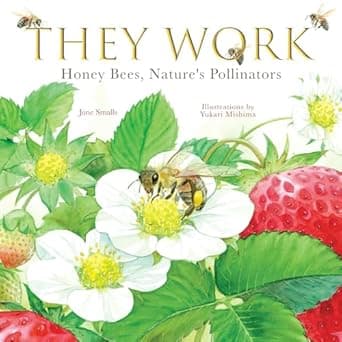
They Work: Honey Bees, Nature's Pollinators
June Smalls, 2025
Award winning
The Book of Australian Trees (-)
Inga Simpson, 2021
32 pages
Why to read
Explores the diverse ecology of Australian trees beautifully.
Enhances environmental awareness and appreciation in young readers.
Encourages curiosity about nature and conservational duties.
Visually captivating illustrations complement engaging text.

The Book of Australian Trees (-)
Inga Simpson, 2021
Hello, Sunflower: Independent Reading Red 2
Sarah Snashall, Elif Balta Parks (illustrator) Sarah Snashall (author), 2023
24 pages
Why to read
Builds early reading confidence and skills.
Enhances vocabulary through engaging repetitive patterns.
Encourages curiosity and discovery about nature.
Supports independence in young readers.
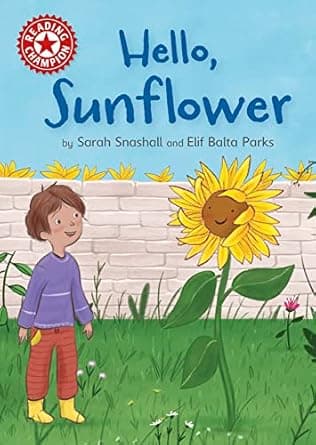
Hello, Sunflower: Independent Reading Red 2
Sarah Snashall, Elif Balta Parks (illustrator) Sarah Snashall (author), 2023
Do You Know? Level 1 - BBC Earth Animal Families
BBC Earth, Ladybird Books, 2020
32 pages
Why to read
Explore diverse animal families with vivid BBC Earth images.
Enhances understanding of wildlife and their habitats.
Encourages curiosity and learning about nature.
Perfect for shared reading with young children.
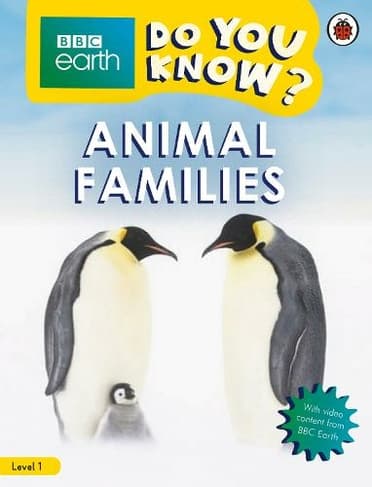
Do You Know? Level 1 - BBC Earth Animal Families
BBC Earth, Ladybird Books, 2020
First Questions & Answers: Why do we need worms?
Katie Daynes, 2024
12 pages
Why to read
Explores ecological role of worms in simple engaging manner.
Encourages curiosity and learning about the environment.
Colorful illustrations captivate and educate young readers.
Addresses importance of biodiversity through fun facts.

First Questions & Answers: Why do we need worms?
Katie Daynes, 2024
Animals of the African Savanna
Mari Schuh, 2021
24 pages
Why to read
Explores diverse wildlife of the African Savanna.
Educational content supports child developmental milestones.
Stimulates curiosity and learning about animal habitats.
Vivid illustrations enhance engagement and comprehension.
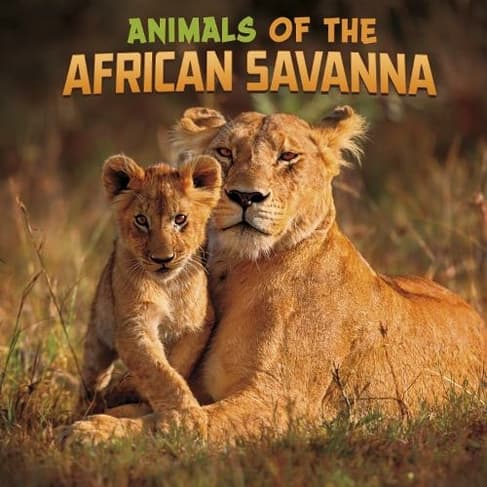
Animals of the African Savanna
Mari Schuh, 2021
Read with Oxford: Stage 4: Non-fiction: Animal Superpowers
Claire Llewellyn, Anita Ganeri, Isabel Thomas, Nikki Gamble, 2020
80 pages
Why to read
Explores fascinating superpowers of various animals.
Enhances knowledge on biology and natural science.
Encourages curiosity and scientific thinking in children.
Vibrant illustrations captivate and educate young readers.
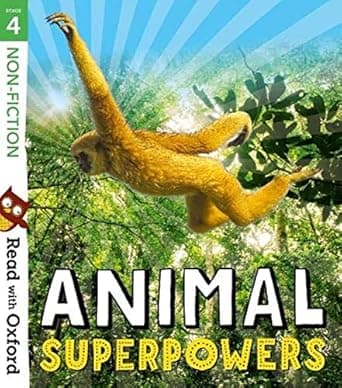
Read with Oxford: Stage 4: Non-fiction: Animal Superpowers
Claire Llewellyn, Anita Ganeri, Isabel Thomas, Nikki Gamble, 2020
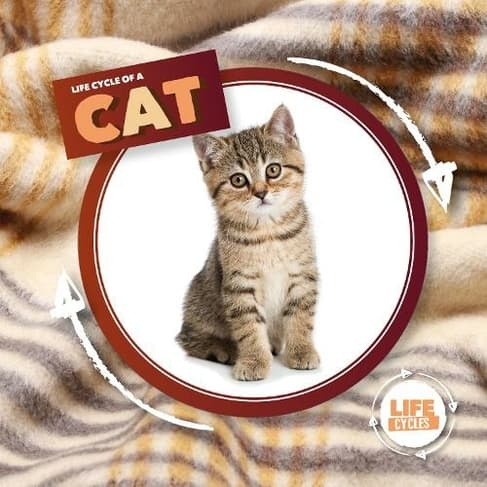
Life Cycle Of A Cat: Life Cycle of A...
Kirsty Holmes, 2021
24 pages
Why to read
Illustrates cat development stages vividly.
Engages kids in biological life cycles.
Encourages curiosity about animal growth.
Visuals aid in comprehension and retention.