
Nutrition books for kids
Food Facts: Sugar
Rhoda Nottridge, 1993
32 pages
Why to read
Explores nutritional facts about sugar in engaging ways.
Encourages healthy eating through captivating storytelling.
Supports cognitive development with interactive content.
Builds awareness about diet impacts on health.

Food Facts: Sugar
Rhoda Nottridge, 1993
Vegetables
Jill Kalz, 2004
24 pages
Why to read
Introduces kids to healthy eating through fun stories.
Colorful illustrations captivate and engage young readers.
Supports language development and early literacy skills.
Encourages family discussions about nutrition and health.
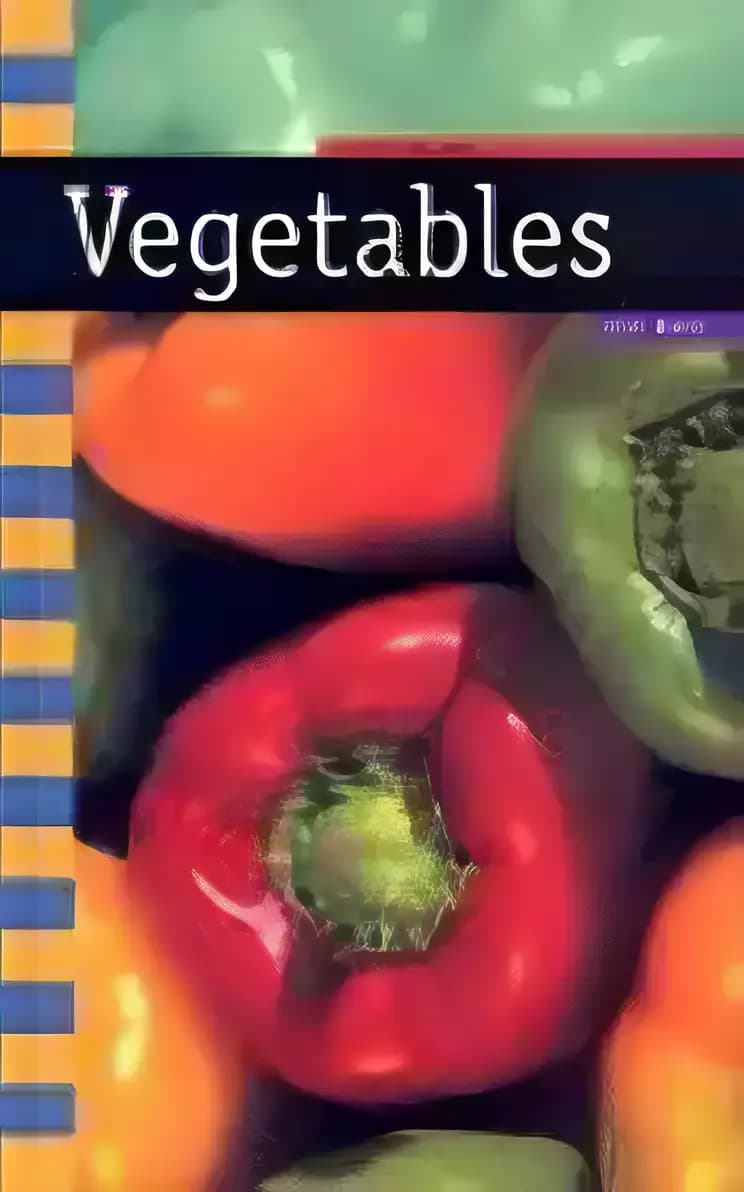
Vegetables
Jill Kalz, 2004
Kids' First Cookbook: Delicious-Nutritious Treats to Make Yourself!
A. American, American Cancer Society, 1999
88 pages
Why to read
Introduces basic cooking skills to young aspiring chefs.
Enhances understanding of nutrition and healthy eating habits.
Encourages creativity and experimentation in the kitchen.
Promotes independence and confidence in young readers.

Kids' First Cookbook: Delicious-Nutritious Treats to Make Yourself!
A. American, American Cancer Society, 1999
Four Corners: Staying Healthy
Selina Wood, 2004
32 pages
Why to read
Encourages healthy habits through engaging stories.
Features relatable, proactive characters.
Emphasizes importance of physical and mental health.
Ideal for interactive parent-child reading sessions.

Four Corners: Staying Healthy
Selina Wood, 2004
Award winning
Food
Karen Hosack, 2004
32 pages
Why to read
Vibrant illustrations captivate and stimulate young minds.
Introduces basic nutrition concepts in a fun way.
Encourages healthy eating habits through engaging storytelling.
Perfect for interactive parent-child reading sessions.

Food
Karen Hosack, 2004
Award winning
Mealtime
Zoe Davenport, 1995
32 pages
Why to read
Promotes healthy eating habits through engaging storytelling.
Illustrations captivate and stimulate visual learning.
Encourages family discussions on nutrition and meal choices.
Supports language development and comprehension skills.

Mealtime
Zoe Davenport, 1995
The Rabbit Who Ate Too Many Carrots
Jacqueline Leung, 2019
34 pages
Why to read
Encourages healthy eating habits through engaging storytelling.
Builds empathy and understanding via relatable rabbit character.
Supports early development of problem-solving skills.
Ideal for shared reading, enhancing parent-child bonding.

The Rabbit Who Ate Too Many Carrots
Jacqueline Leung, 2019
Award winning
You and Your Body
Susan Meredith, Kate Needham, Mike Unwin, 1994
120 pages
Why to read
Clear, engaging exploration of human anatomy.
Empowers kids with knowledge about their bodies.
Boosts comprehension and curiosity about health.
Perfect for shared reading with parents.
