Books like Explore Earth's Seven Continents
Award winning
Artists Workshop: Portraits
Clare Roundhill, Penny King, Lindy Norton, 1989
32 pages
Why to read
Enhances artistic appreciation and creativity in children.
Introduces famous artists and artistic techniques simply.
Encourages self-expression through portrait creation.
Interactive activities to solidify learning.

Artists Workshop: Portraits
Clare Roundhill, Penny King, Lindy Norton, 1989
Gerbils (Pet Care)
Rebecca Sjonger, Marc Crabtree, 2004
32 pages
Why to read
Comprehensive guide on caring for pet gerbils.
Educational insights into gerbil behavior and habitat.
Supports responsibility and empathy in young readers.
Engaging and factual content ensures a fun learning experience.

Gerbils (Pet Care)
Rebecca Sjonger, Marc Crabtree, 2004
What Is Migration? (The Science of Living Things)
Bobbie Kalman, John Crossingham, 1997
32 pages
Why to read
Educational Value: The book 'What Is Migration? (The Science of Living Things)' by Bobbie Kalman provides a comprehensive overview of animal migration, explaining the reasons behind this natural phenomenon and its significance in various ecosystems. It's an excellent resource for students and anyone interested in learning more about biology and animal behavior.
Engaging Content: Bobbie Kalman is known for creating content that is both informative and engaging for younger audiences. This book includes vivid illustrations and easy-to-understand explanations that make learning about migration enjoyable and accessible for readers of all ages.
Environmental Awareness: Understanding migration patterns is crucial for conservation efforts and environmental awareness. Reading this book can help individuals appreciate the complexity of nature and the importance of protecting migratory species and their habitats.
Curriculum Support: For educators and parents, this book serves as a valuable tool to support science curricula. It can be used to supplement lessons on animal behavior, ecosystems, and environmental science, providing a solid foundation for students to build upon their knowledge of the natural world.

What Is Migration? (The Science of Living Things)
Bobbie Kalman, John Crossingham, 1997
Award winning
Endangered Rhinoceroses (Earth's Endangered Animals)
Bobbie Kalman, 2008
32 pages
Why to read
Raises awareness about rhinoceros conservation efforts.
Detailed, captivating illustrations engage young readers.
Supports learning on wildlife and environmental care.
Encourages empathy towards endangered species.

Endangered Rhinoceroses (Earth's Endangered Animals)
Bobbie Kalman, 2008
Award winning
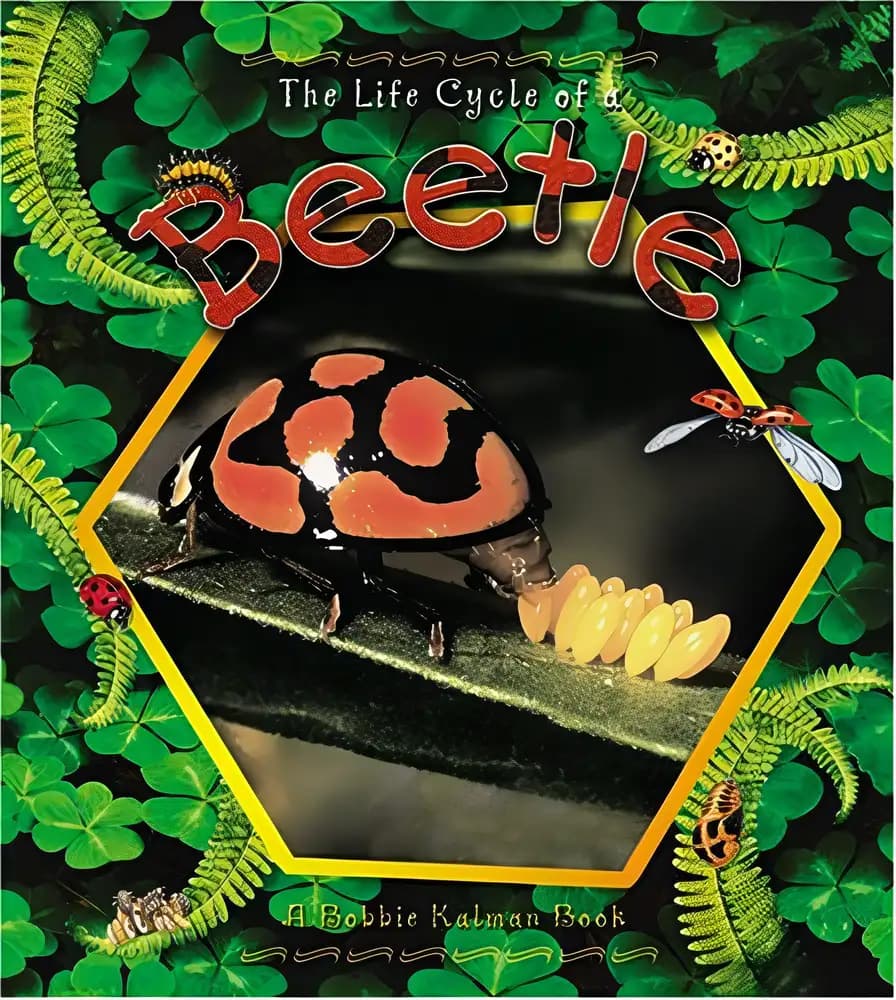
The Life Cycle of a Beetle (The Life Cycle, 13)
Molly Aloian, Bobbie Kalman, 2006
32 pages
Why to read
Explore the fascinating journey of beetle development.
Educational content aligned with child developmental psychology.
Vivid illustrations engage young readers' curiosity.
Supports literacy and scientific knowledge growth.
The Life Cycle of a Beetle (The Life Cycle, 13)
Molly Aloian, Bobbie Kalman, 2006
Canada the Culture (Lands, Peoples, & Cultures (Hardcover))
Bobbie Kalman, 2009
32 pages
Why to read
Showcases vibrant Canadian culture and traditions.
Enhances geographical and social awareness.
Supports multicultural understanding and diversity appreciation.
Ideal for shared family reading and discussion.

Canada the Culture (Lands, Peoples, & Cultures (Hardcover))
Bobbie Kalman, 2009
Award winning
A One-Room School (Bobbie Kalman's Historic Communities)
Bobbie Kalman, 1994
32 pages
Why to read
Insightful look into historic one-room school settings.
Educational content aligns with child development stages.
Enhances knowledge of history through engaging storytelling.
Supports development of literacy and focus.

A One-Room School (Bobbie Kalman's Historic Communities)
Bobbie Kalman, 1994
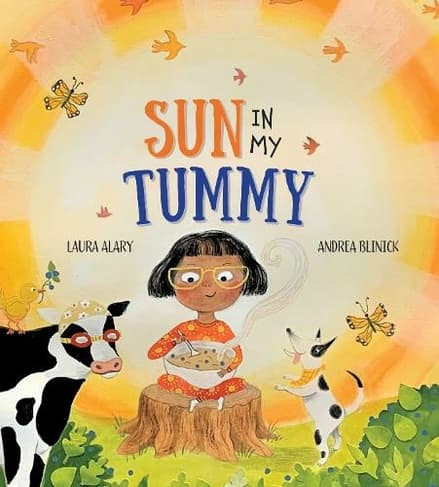
Sun in My Tummy: How the Food We Eat Gives Us Energy from the Sun
Laura Alary, 2024
32 pages
Why to read
Explains energy concepts through engaging storytelling.
Encourages healthy eating and understanding food sources.
Supports early scientific learning and curiosity.
Illustrations captivate and enhance comprehension.