Top-rated books by Jayne Parsons
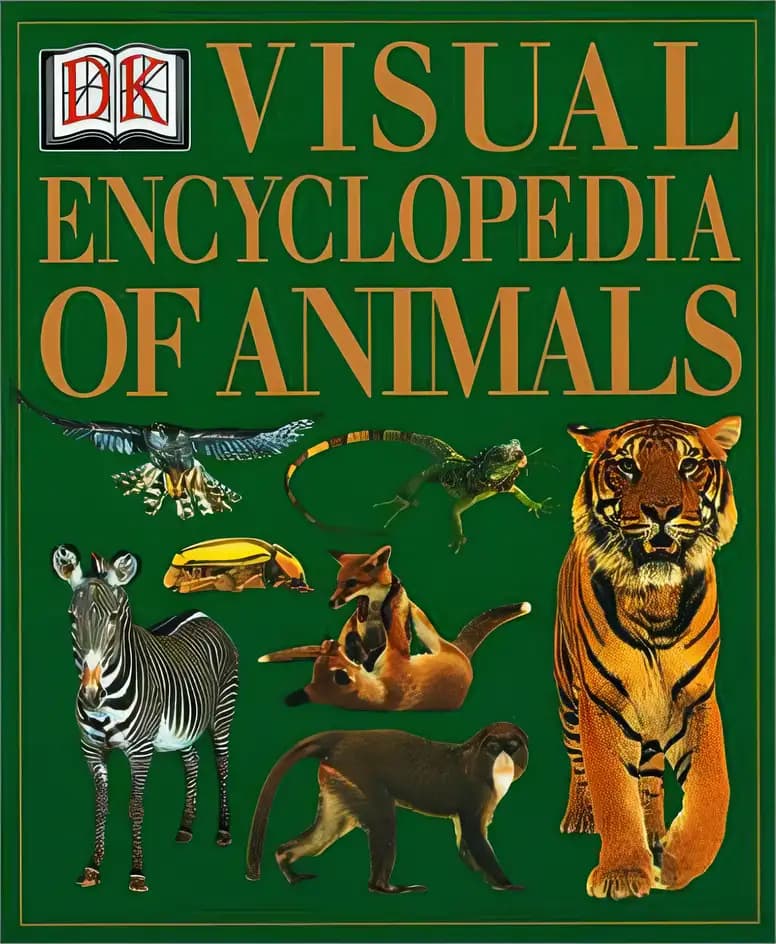
Visual Encyclopedia of Animals
Age: 12-13
Books like Jayne Parsons’s
They Work: Honey Bees, Nature's Pollinators
June Smalls, 2025
32 pages
Why to read
Teaches vital pollination science.
Celebrates teamwork and responsibility.
Beautiful read-aloud rhythm.
Empowers kids to protect nature.
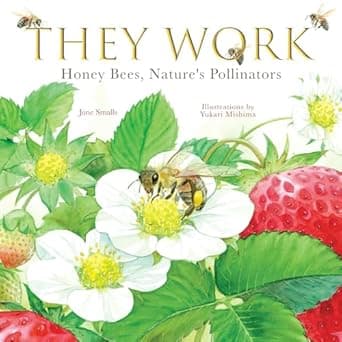
They Work: Honey Bees, Nature's Pollinators
June Smalls, 2025
Award winning
About Habitats: Rivers and Streams
Cathryn Sill, 2022
48 pages
Why to read
Explores diverse river and stream habitats vividly.
Enhances understanding of aquatic ecosystems for young readers.
Encourages environmental awareness and conservation.
Simple, engaging text paired with informative illustrations.
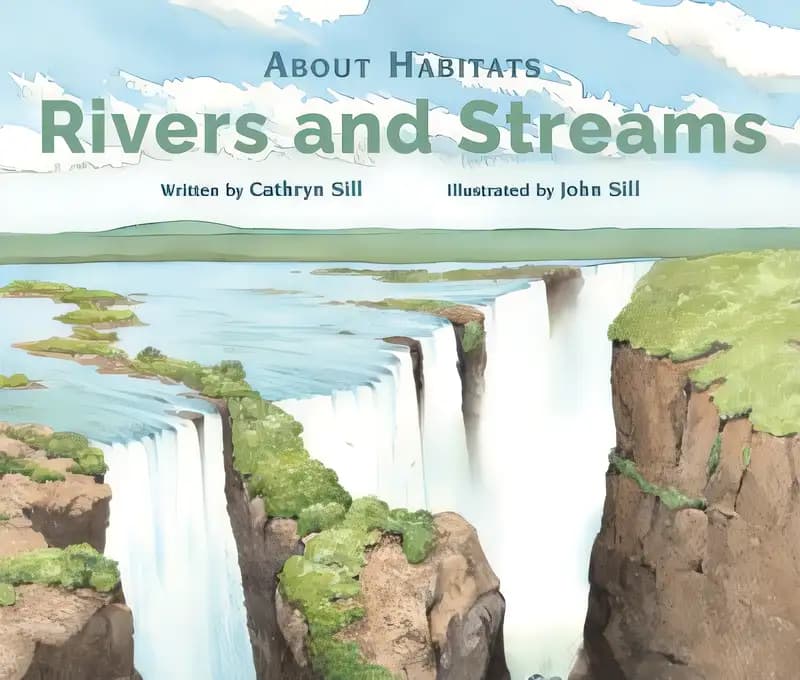
About Habitats: Rivers and Streams
Cathryn Sill, 2022
Read with Oxford: Stage 3: Non-fiction: Survival and Extinction
Nikki Gamble, 2020
80 pages
Why to read
Engages kids with exciting survival and extinction themes.
Enhances knowledge of nature and animal conservation.
Promotes critical thinking through real-world problems.
Ideal for shared reading, fostering family discussions.
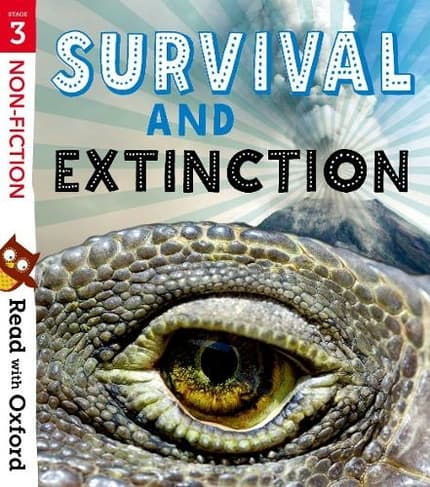
Read with Oxford: Stage 3: Non-fiction: Survival and Extinction
Nikki Gamble, 2020
A Ladybird Book: The Human Body
Elizabeth Jenner, 2021
48 pages
Why to read
Informative and visually engaging illustrations.
Simplifies complex biology concepts for young readers.
Encourages curiosity about human anatomy and health.
Supports science education in early childhood development.
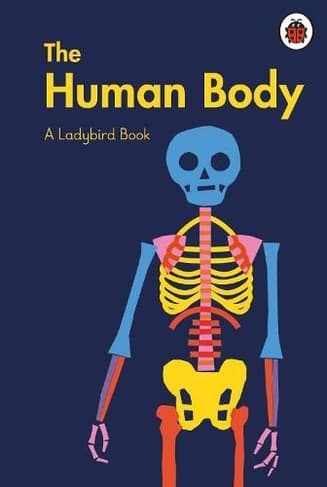
A Ladybird Book: The Human Body
Elizabeth Jenner, 2021
First Questions & Answers: Why do we need worms?
Katie Daynes, 2024
12 pages
Why to read
Explores ecological role of worms in simple engaging manner.
Encourages curiosity and learning about the environment.
Colorful illustrations captivate and educate young readers.
Addresses importance of biodiversity through fun facts.

First Questions & Answers: Why do we need worms?
Katie Daynes, 2024
Fish: BookLife Non-Fiction Readers
Steffi Cavell-Clarke, 2024
24 pages
Why to read
Explores underwater life, enhancing knowledge and curiosity.
Vivid illustrations captivate and engage young readers.
Supports early learning about biology and ecosystems.
Ideal for interactive parent-child reading sessions.
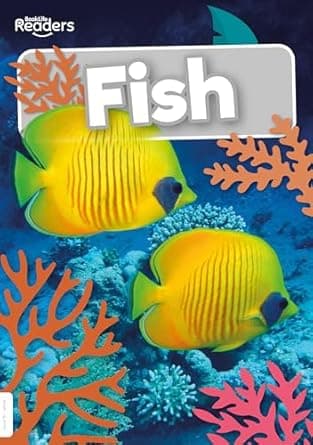
Fish: BookLife Non-Fiction Readers
Steffi Cavell-Clarke, 2024
Food Chains: (Engage Literacy Brown)
Louise Spilsbury, 2021
24 pages
Why to read
Explores food chain concepts in a captivating way.
Enhances understanding of natural ecosystems.
Encourages curiosity and scientific thinking.
Suitable for shared reading and discussion.
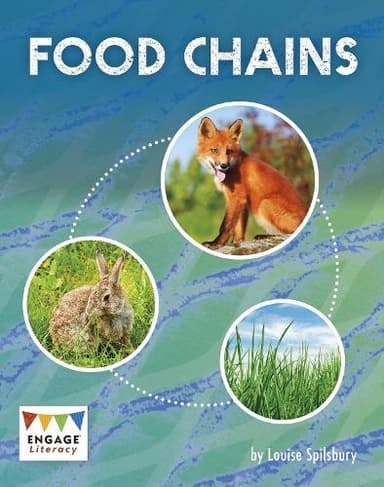
Food Chains: (Engage Literacy Brown)
Louise Spilsbury, 2021
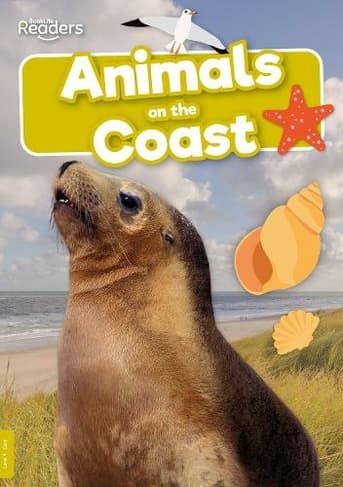
Animals on the Coast
Robin Twiddy, 2024
24 pages
Why to read
Showcases diverse coastal animals in vibrant illustrations.
Introduces ecological awareness and conservation to young readers.
Encourages curiosity and learning about different habitats.
Ideal for interactive parent-child reading sessions.